〈Slow Pace : Taiwan-Korea Images〉Where Markets Wake the World: Morning in Busan and Kaohsiung
To those of you reading in Korea and Taiwan: what does a “market” mean to you? Now that a phone lets us shop for almost anything from the comfort of home, markets may feel less present in our lives than they once did. To give you a glimpse of market life in both Korea and Taiwan, I rose early and visited two of them: Jagalchi Market (자갈치시장), the seafood market in my seaside hometown of Busan (부산), and Hello Market in Kaohsiung, a city in southern Taiwan where the air always feels warm.
Jagalchi is a seafood market selling the fresh catch brought in from the water before dawn each day. Auctions begin while the sky is still dark; once they end, the market fills with shoppers in search of fish and shellfish. I have heard that, long ago, elderly women would wait for the fishing boats to return fully laden, quietly gather any fish dropped during unloading, and sell them on the side.
At Hello Market in southern Taiwan, the story goes that when U.S. troops were stationed nearby, the vendors spoke no English, but the market still rang with their cries of “Hello! Hello!” to American servicemen. Those choruses of hello gave the market its name. Today, fewer hellos echo through its lanes, replaced mostly by the Chinese, yet the place remains as lively as ever.
Come with me and see the warmth of Korea’s and Taiwan’s markets as I caught it through my lens.
📸 Jagalchi Market, Busan, Korea (자갈치시장)
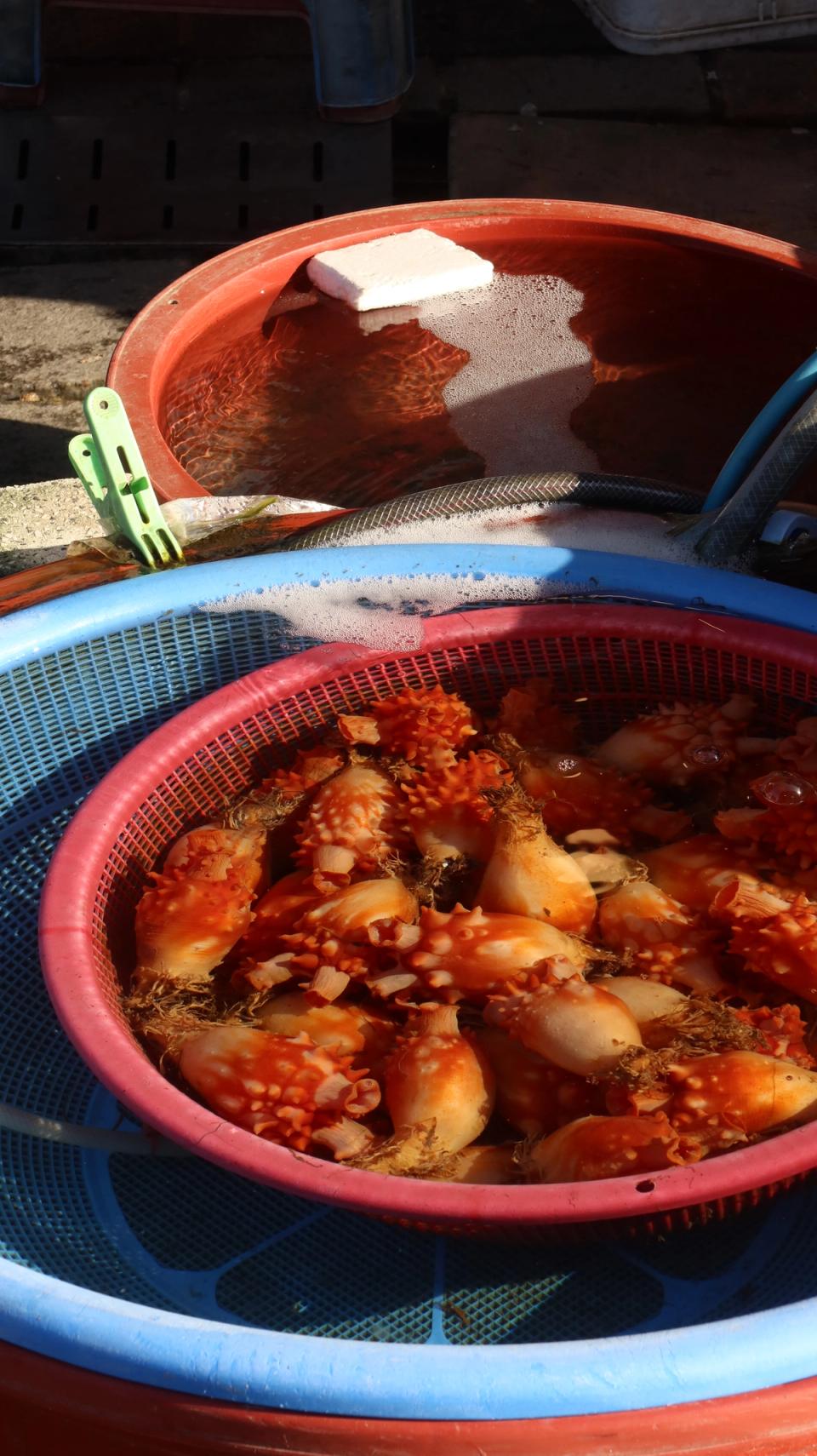
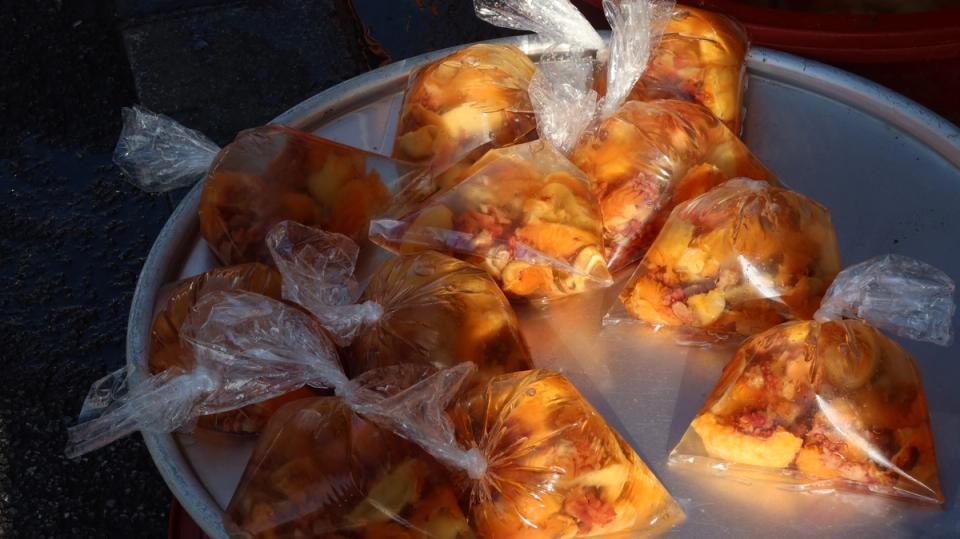
Sea squirts piled in a large basin. Common in Korea, they divide opinion: their aroma is intense, and so is their briny funk. I was born in Busan, but I still find them a little intimidating. They say only someone who appreciates sea squirts is a true harbor local—so perhaps I am a Busan native in name only.Cleaned sea squirts, bagged and ready for sale. Can’t you almost smell the salty sea air just by looking at the photograph…?
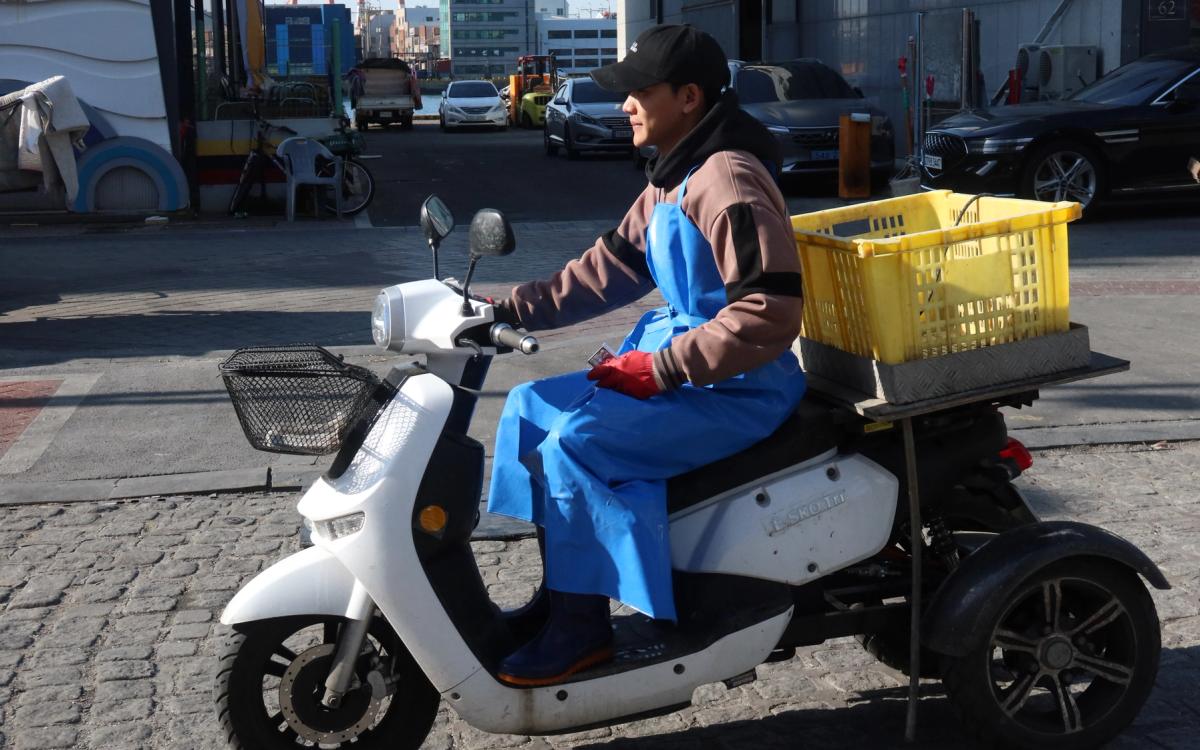
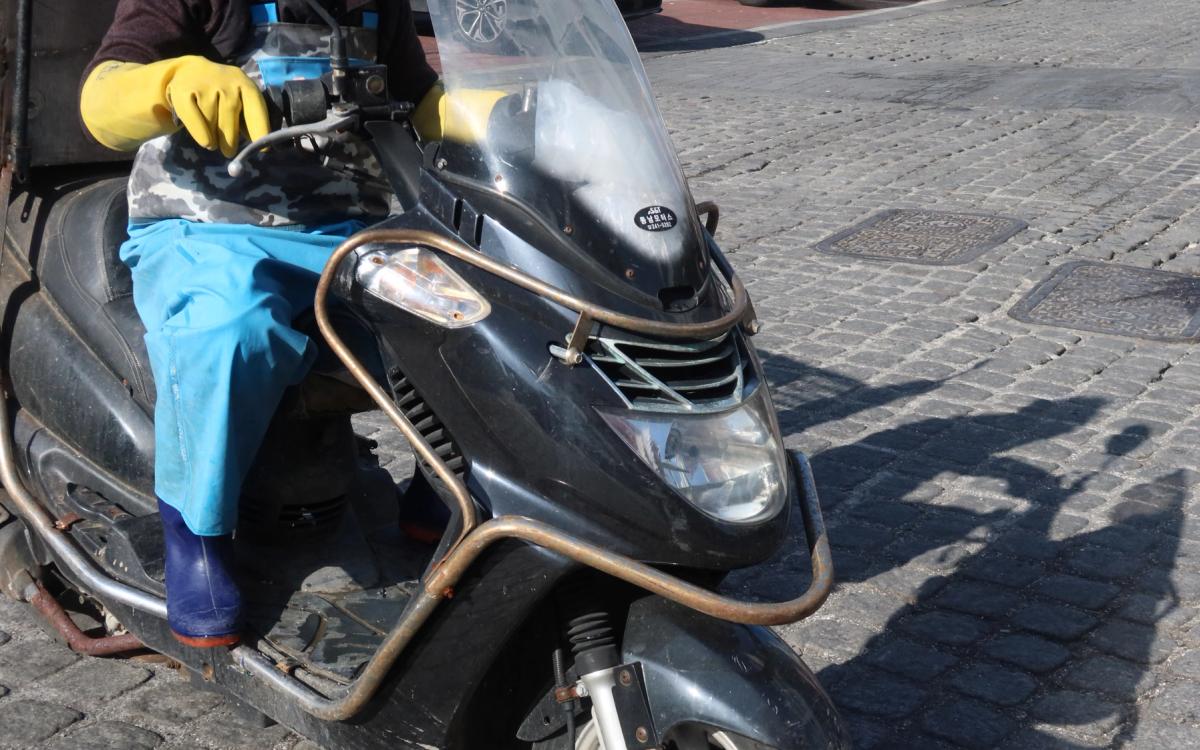
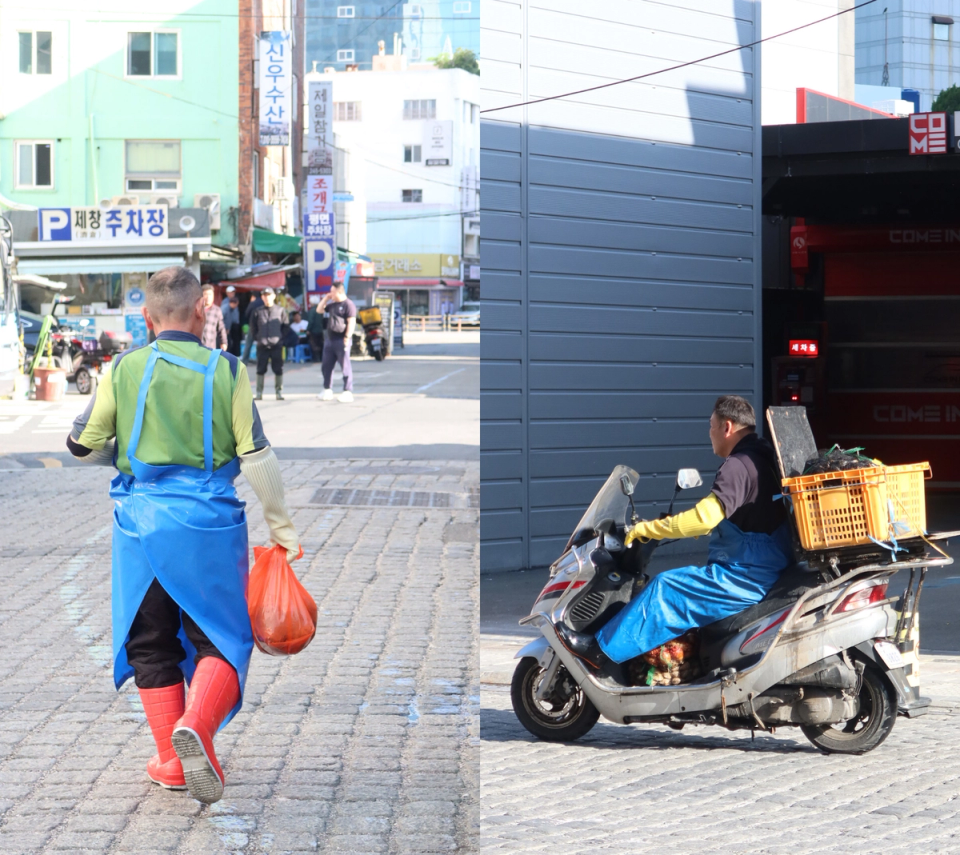
One of Jagalchi Market’s signature sights is the vendors’ “fashionable aprons”! Browsing becomes all the more delightful when you notice that everyone’s aprons, boots, and gloves come in different colors.
1 / 2
01 / 02
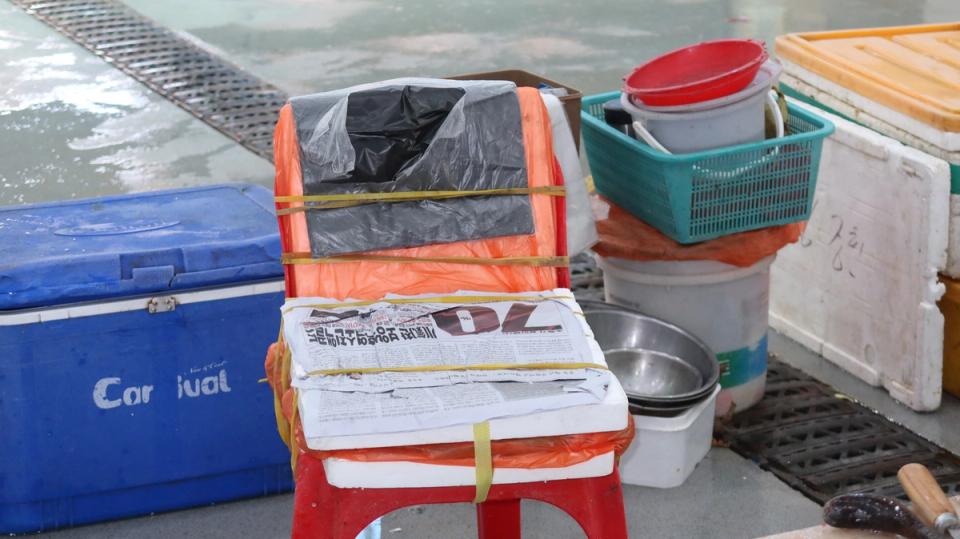
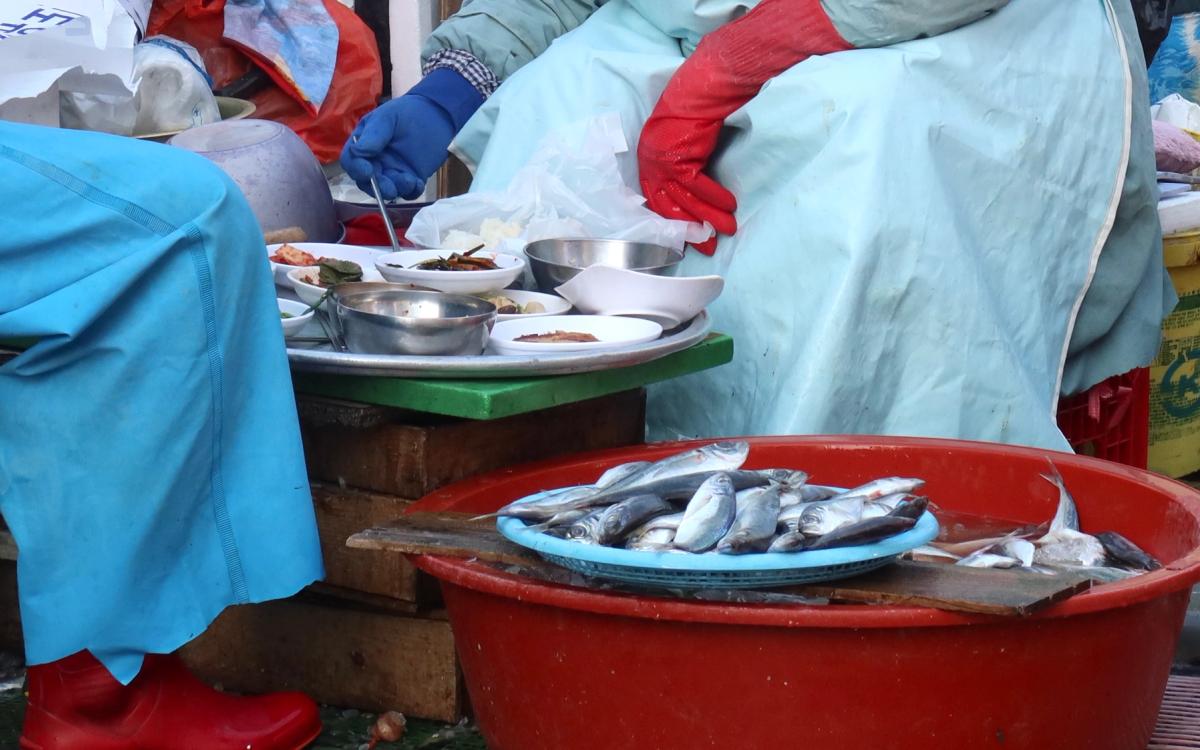
Seafood markets are wet places, so the vendors dress head to toe in waterproof materials. In the sunlight, everything glints and gleams—and looks unexpectedly adorable.Perhaps those hard chairs were simply too uncomfortable. With Styrofoam boxes, newspapers, and plastic bags, the vendors have fashioned their own custom-made luxury loungers.
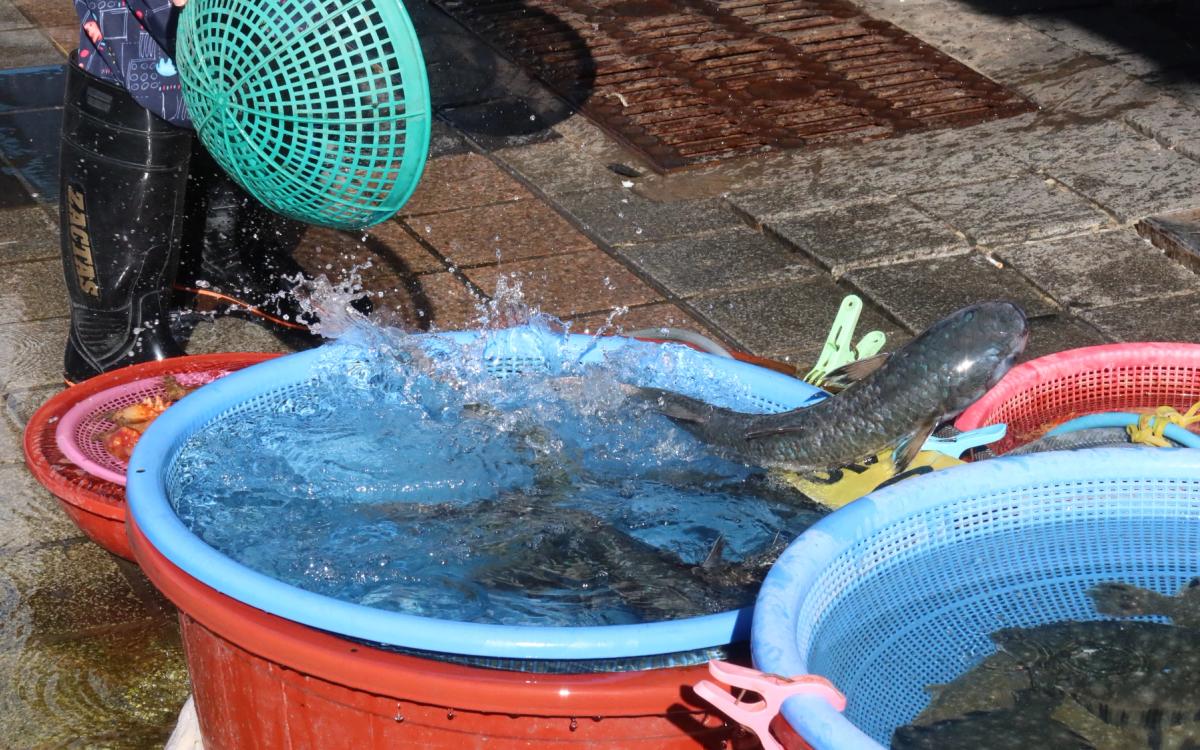
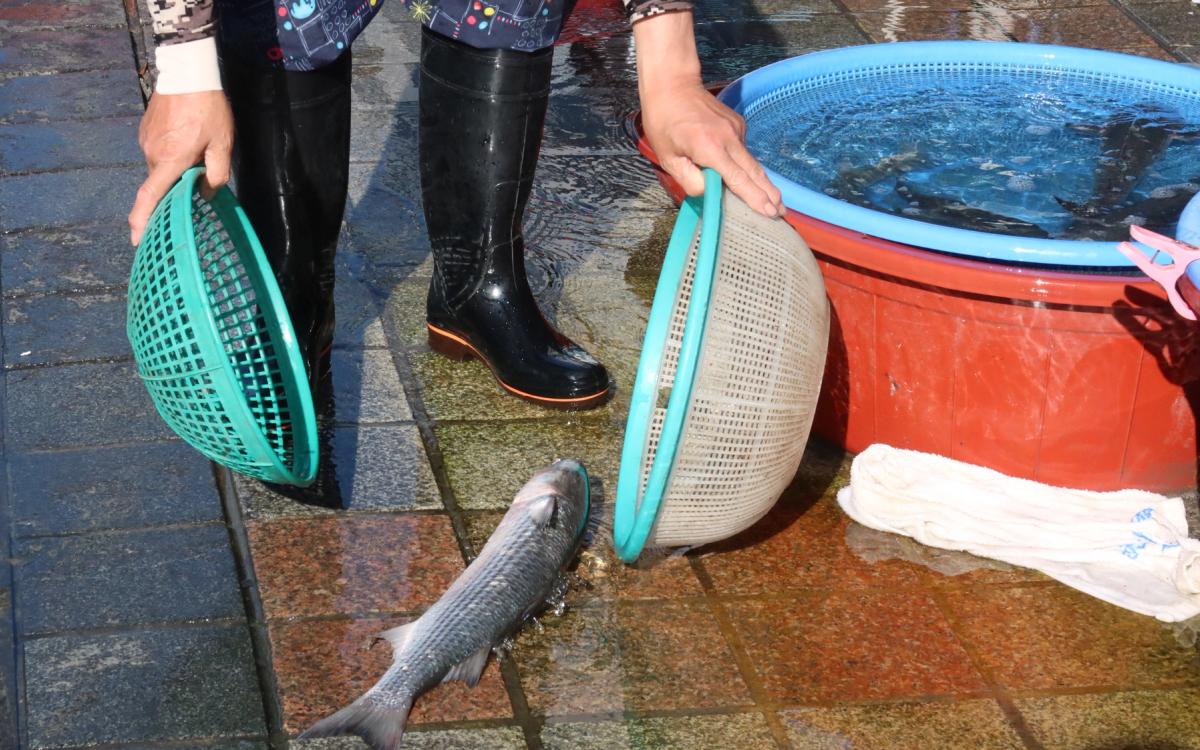
A mullet makes a bold bid for freedom. Three seconds later, the owner spots it, and back it goes.
1 / 2
01 / 02
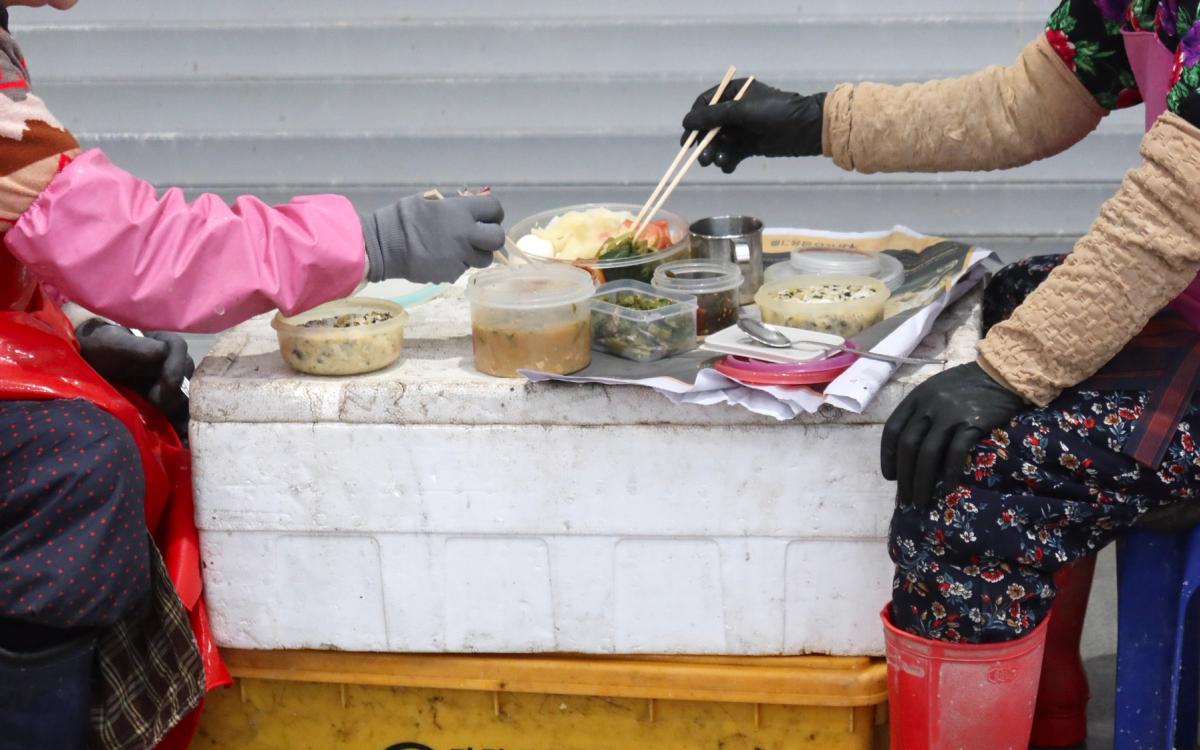
Unlike Taiwan, Korea does not have dedicated breakfast shops on every corner, and there are few places inside the market serving breakfast specifically to vendors. Instead, people bring dishes from home to share, or order a full breakfast spread from a nearby restaurant, greeting the morning between bites.
1 / 2
01 / 02
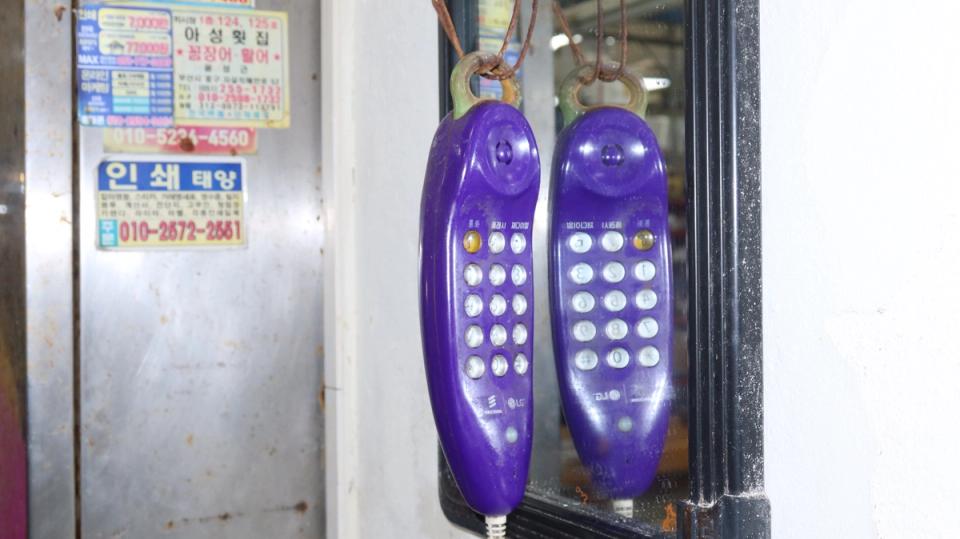
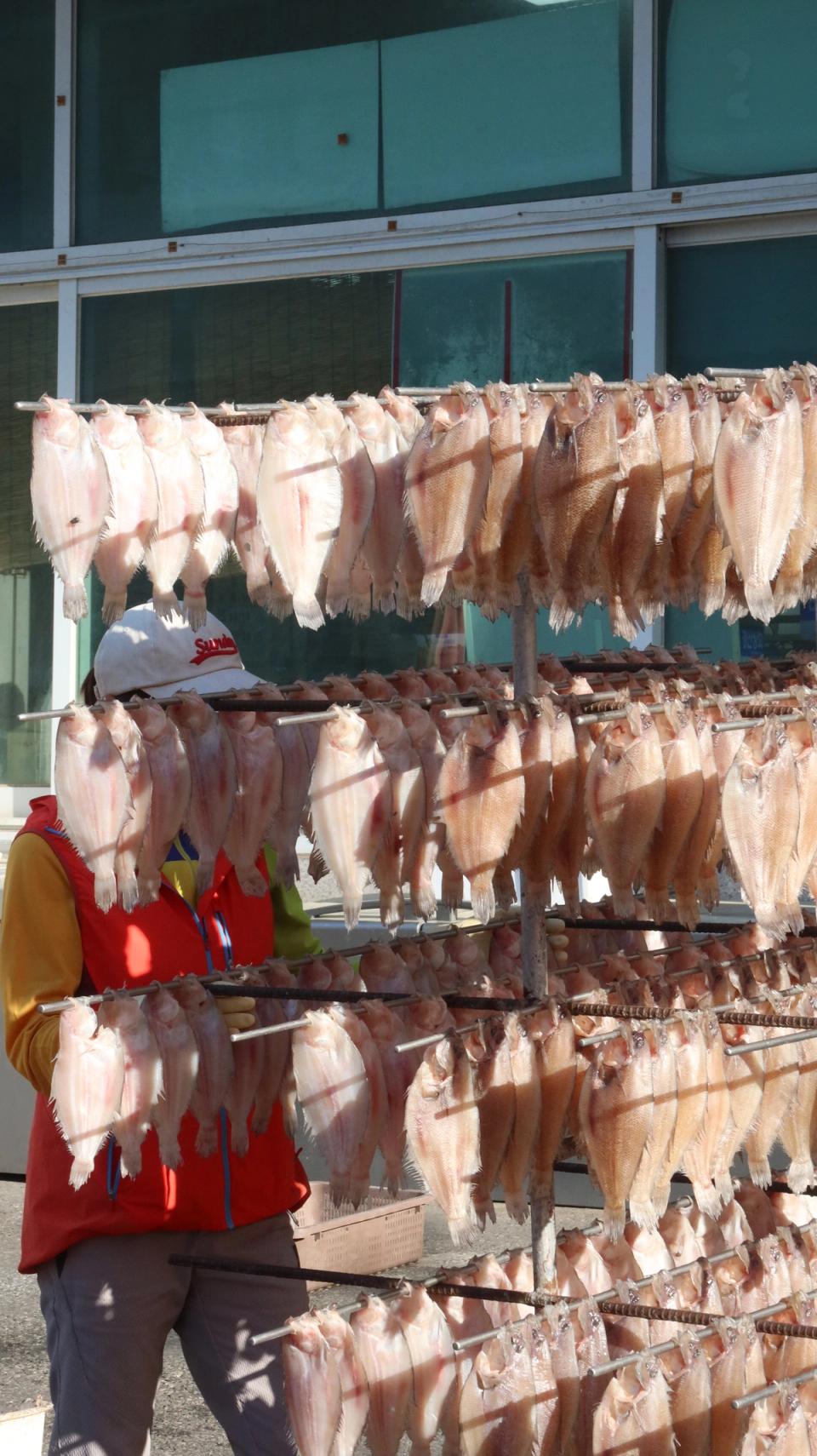
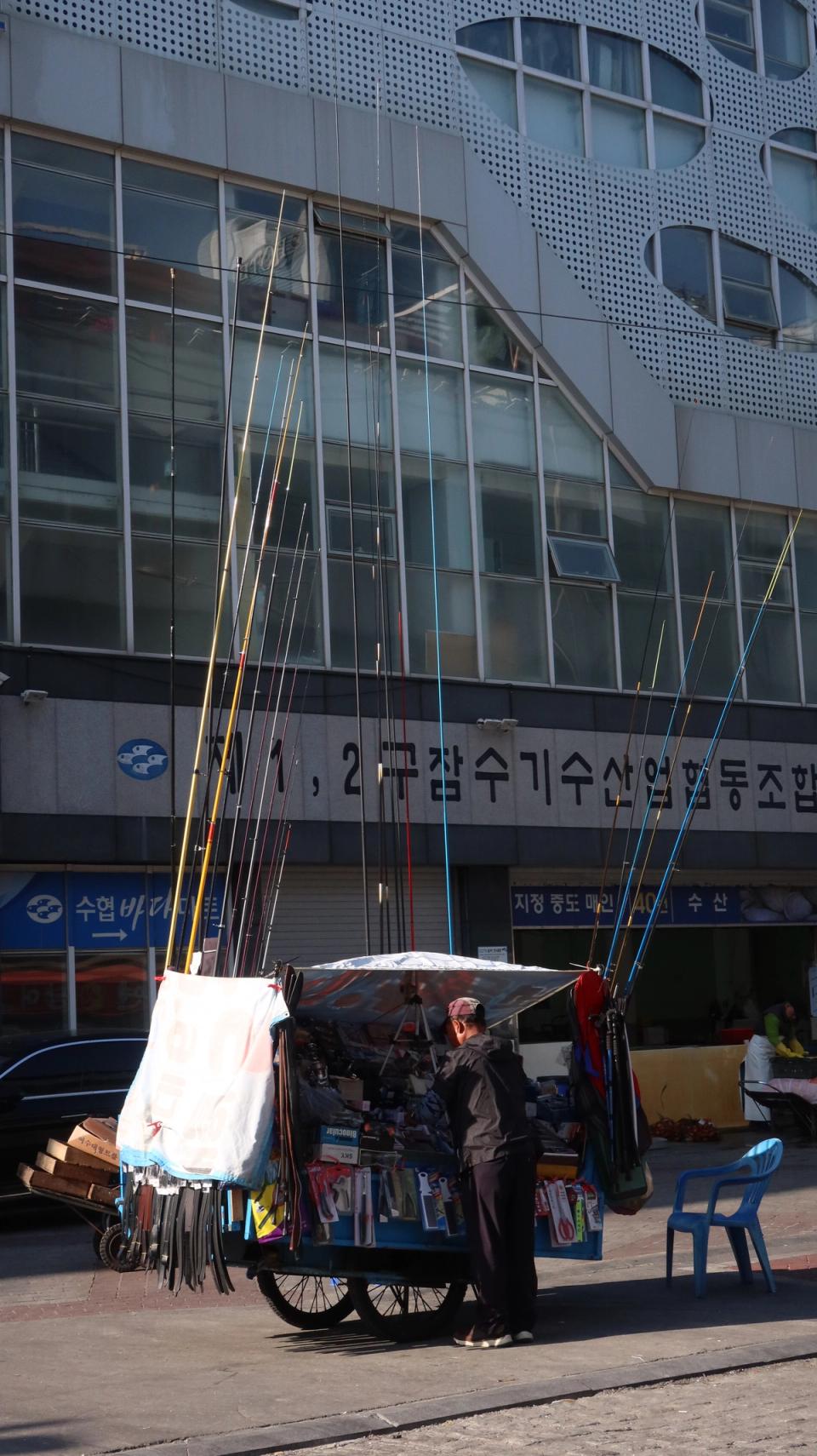
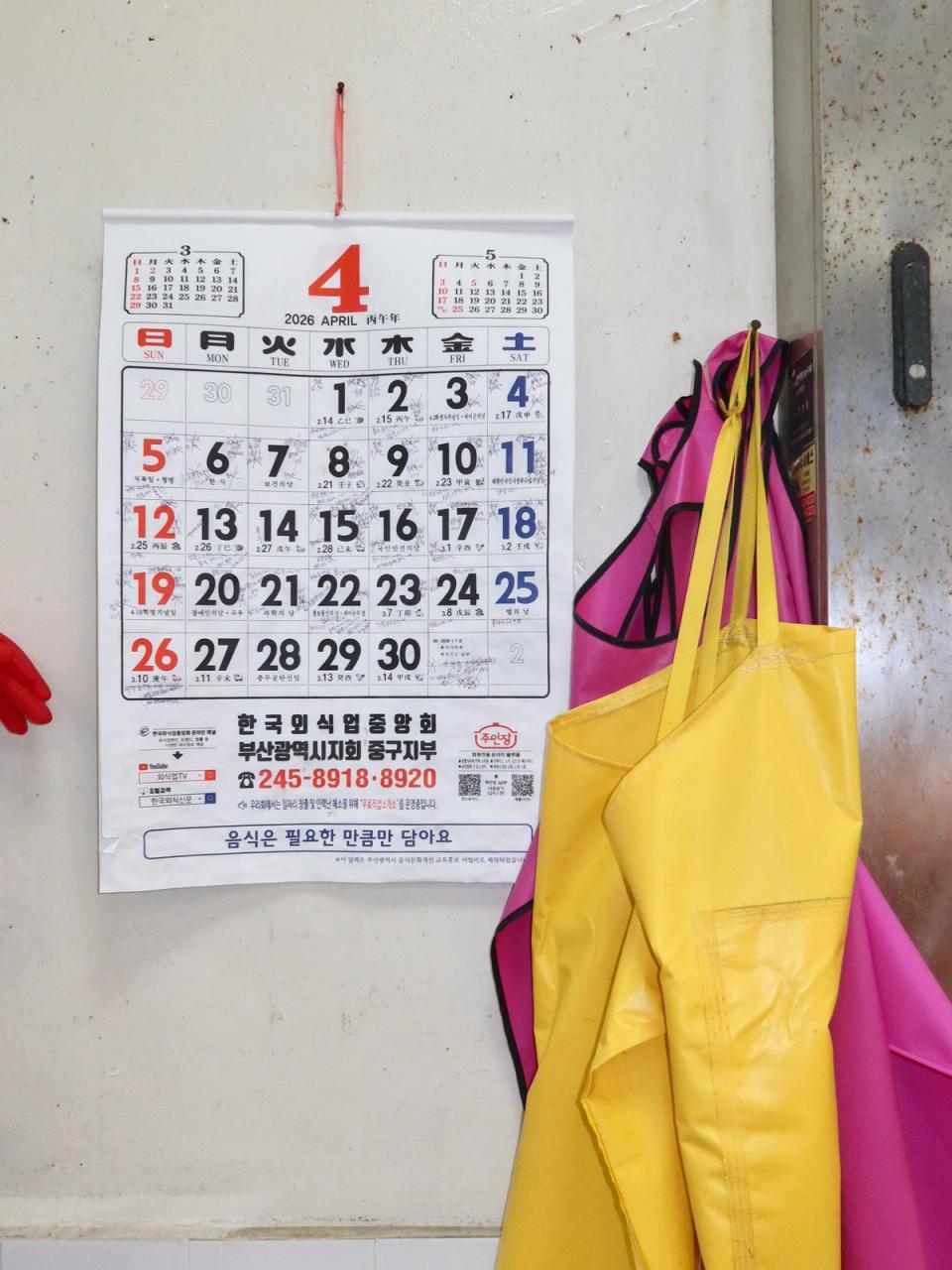
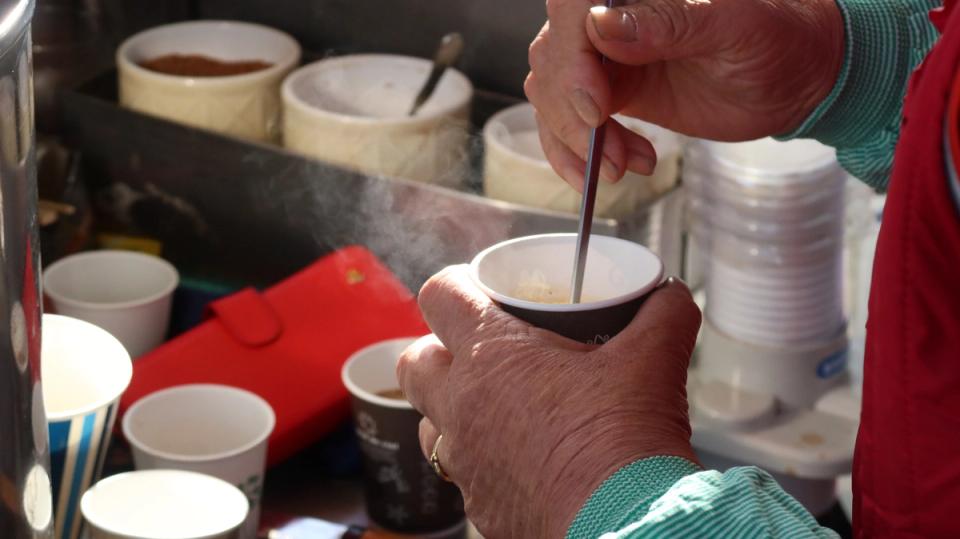
An old purple telephone hangs in a corner of the market. Somehow, I feel that if I held it to my ear, I might hear the market’s lively bustle on the other end.Just as laundry comes out to dry on a clear day, fish are laid out whenever the sun is strong enough. Steeped in sea breeze and warm sunlight, the semi-dried fish develop an even deeper savor and a satisfying chew.Fittingly for a seafood market, there is even a truck devoted entirely to fishing rods. Pointed skyward like this, don’t they look like rows of antennae catching signals from above?The calendar is filled with restaurant reservations; every day has a booking. During a lull between customers, the owner hangs up her apron and steals a brief nap. Somehow, her expression is full of quiet accomplishment.Korean markets have “coffee carts”—tiny cafés on wheels that sell drinks from pushcarts. Here, I treated myself to a three-in-one coffee for the first time in ages. The elderly vendor wore no smile and spoke with disarming bluntness, yet the coffee she handed me made even the early-morning air feel warm.
📸 Hello Market, Kaohsiung, Taiwan
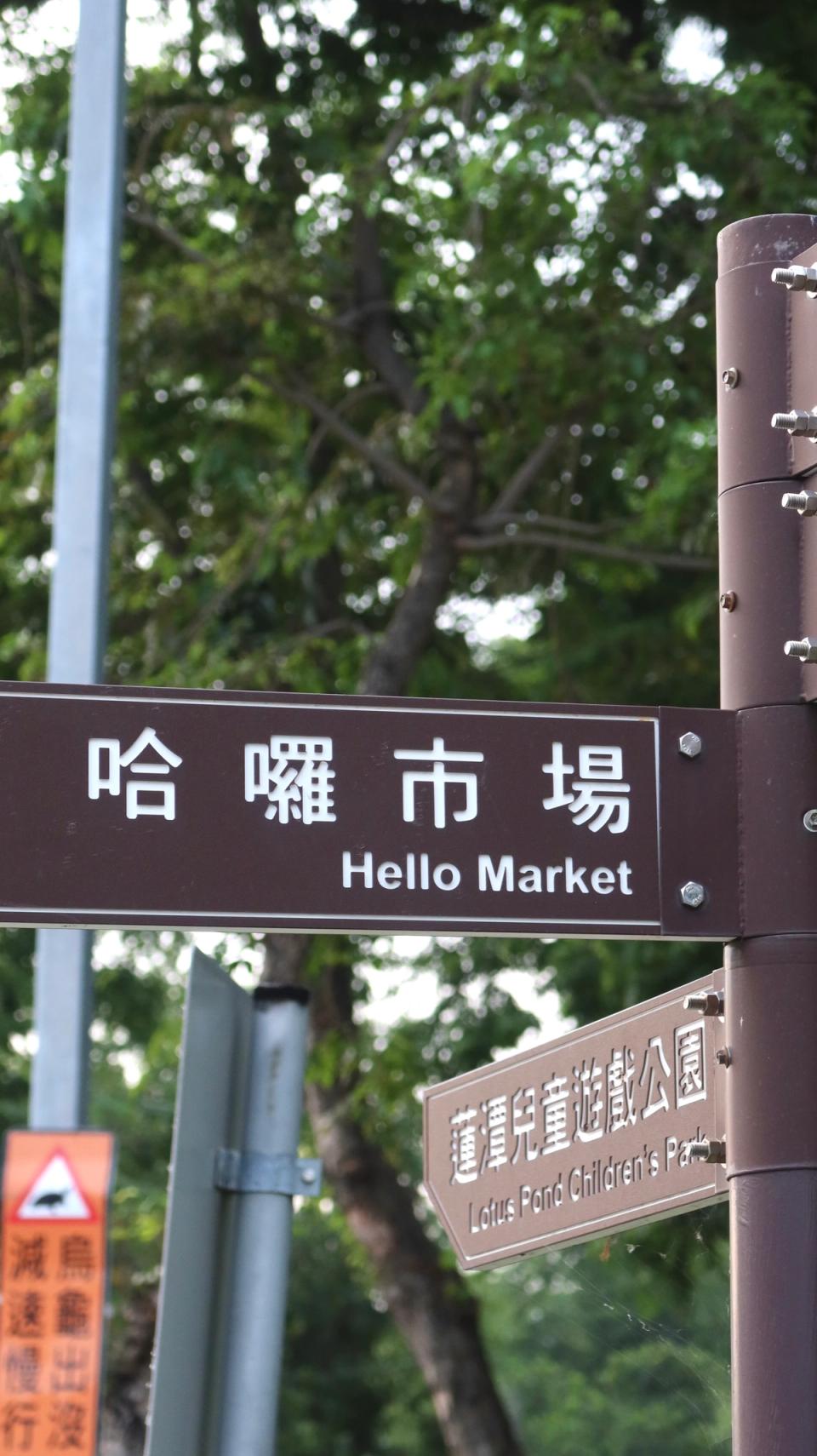
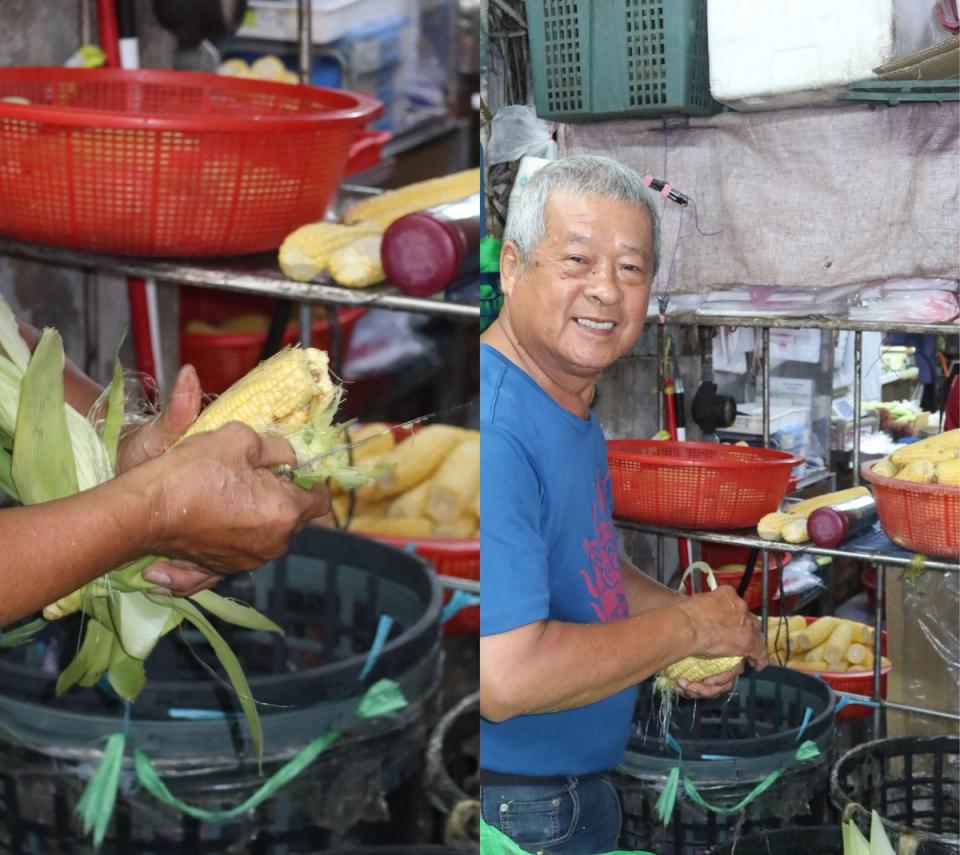
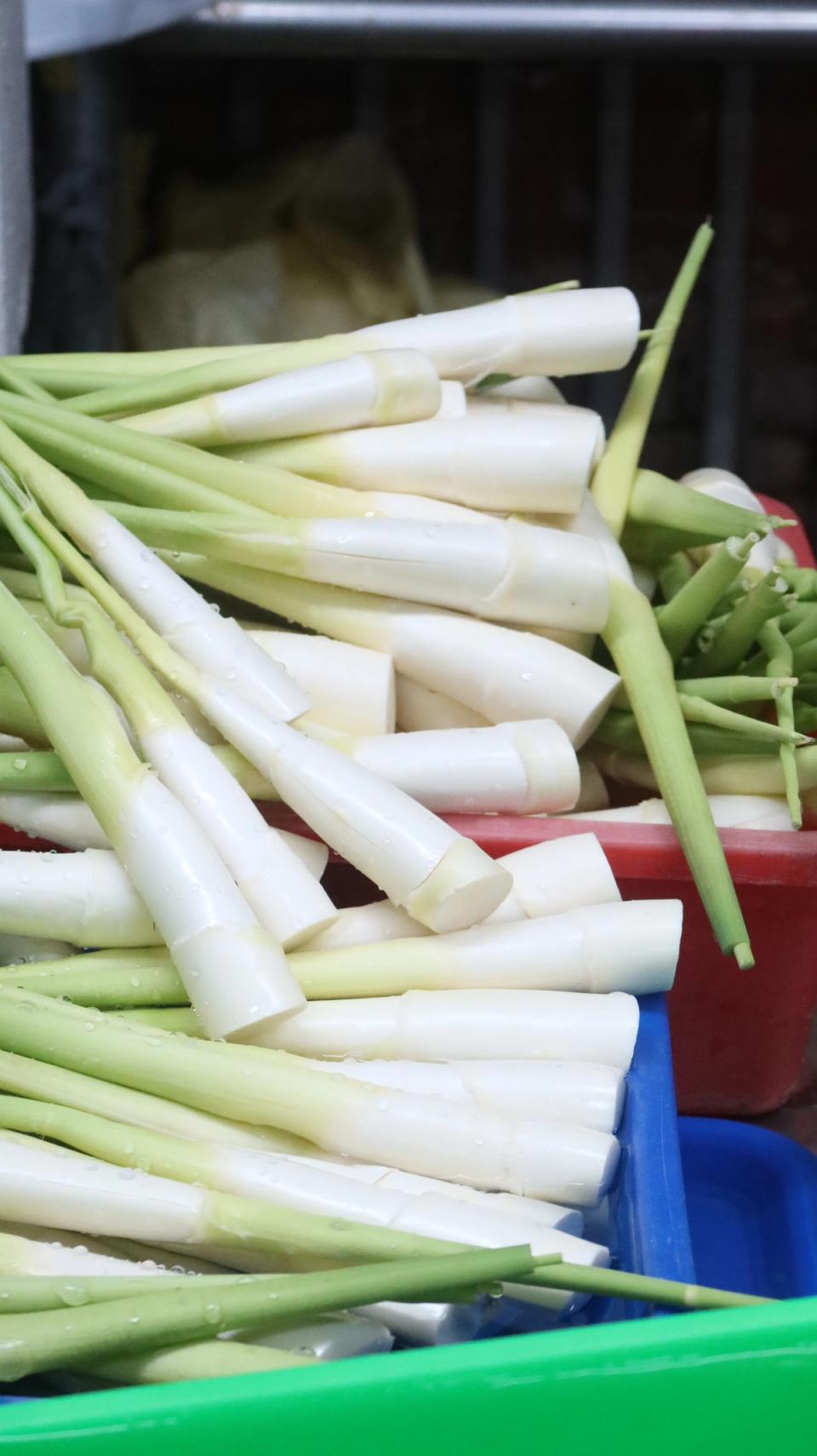
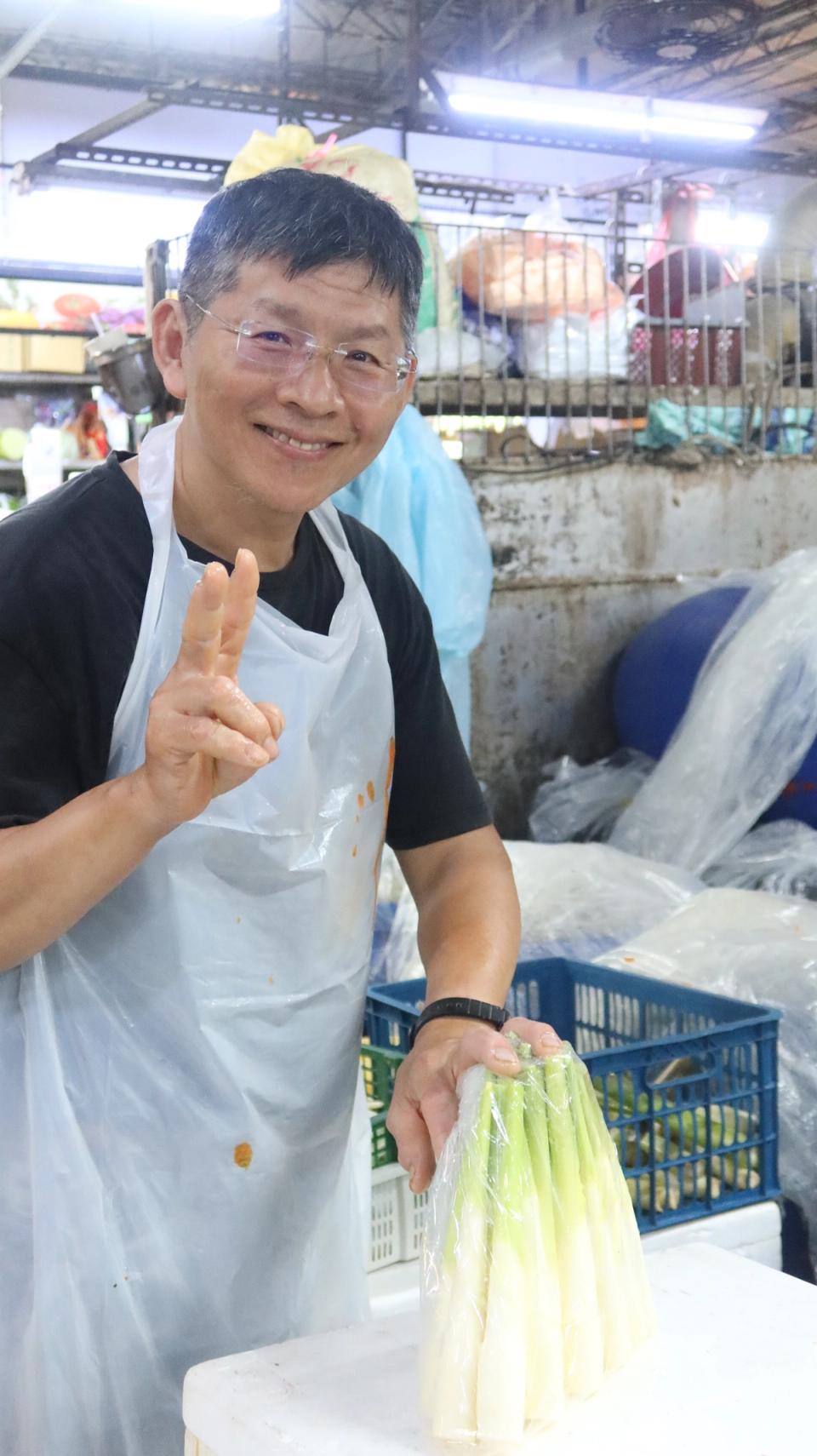
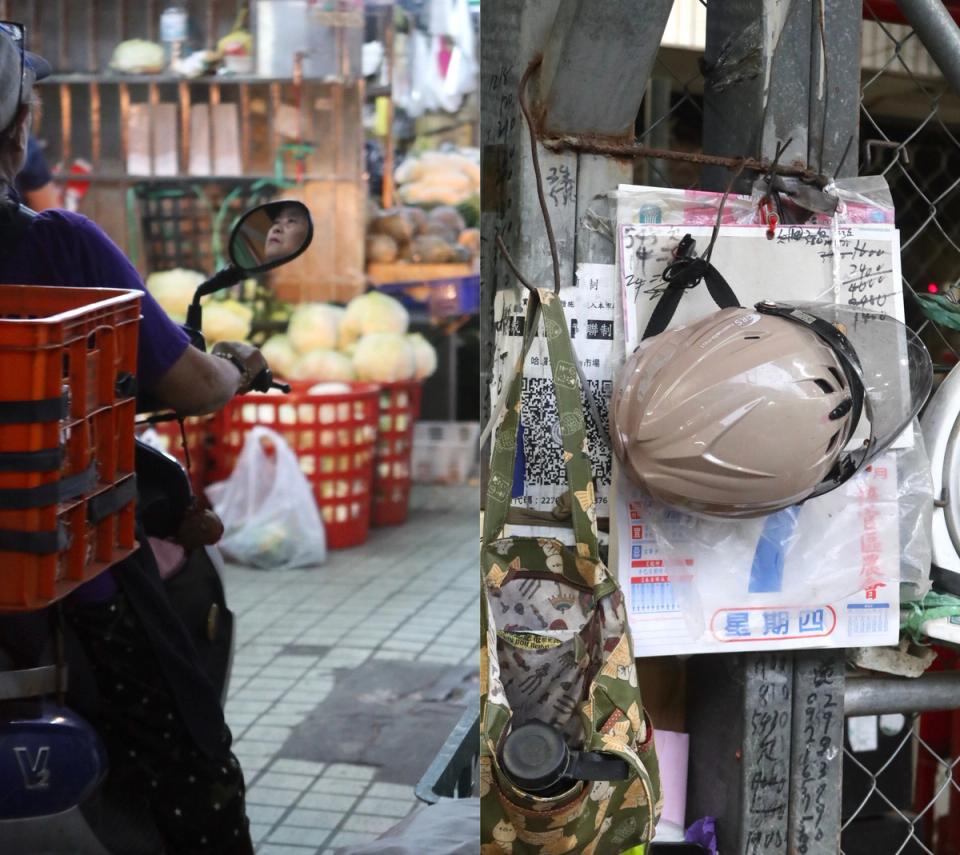
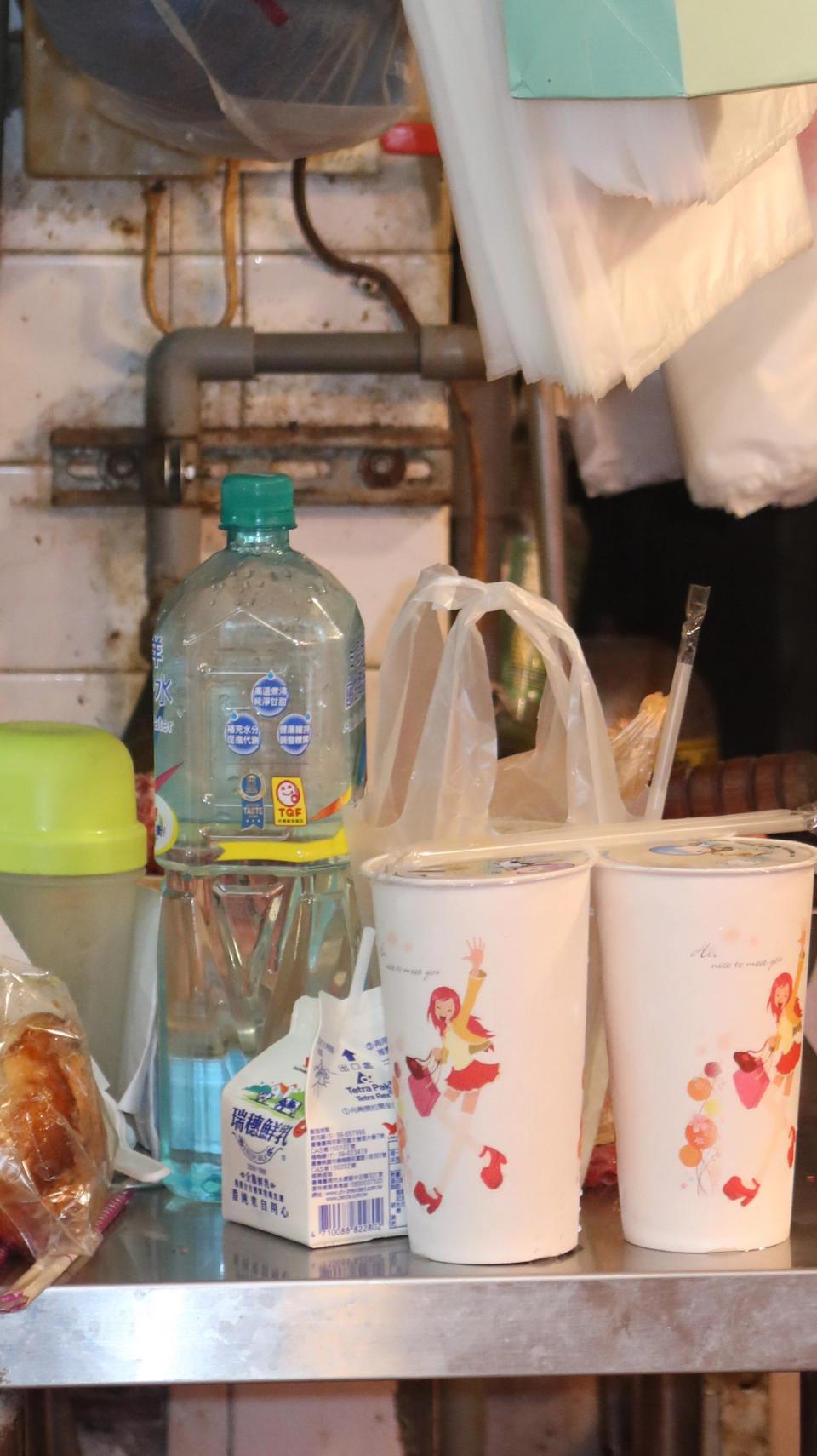
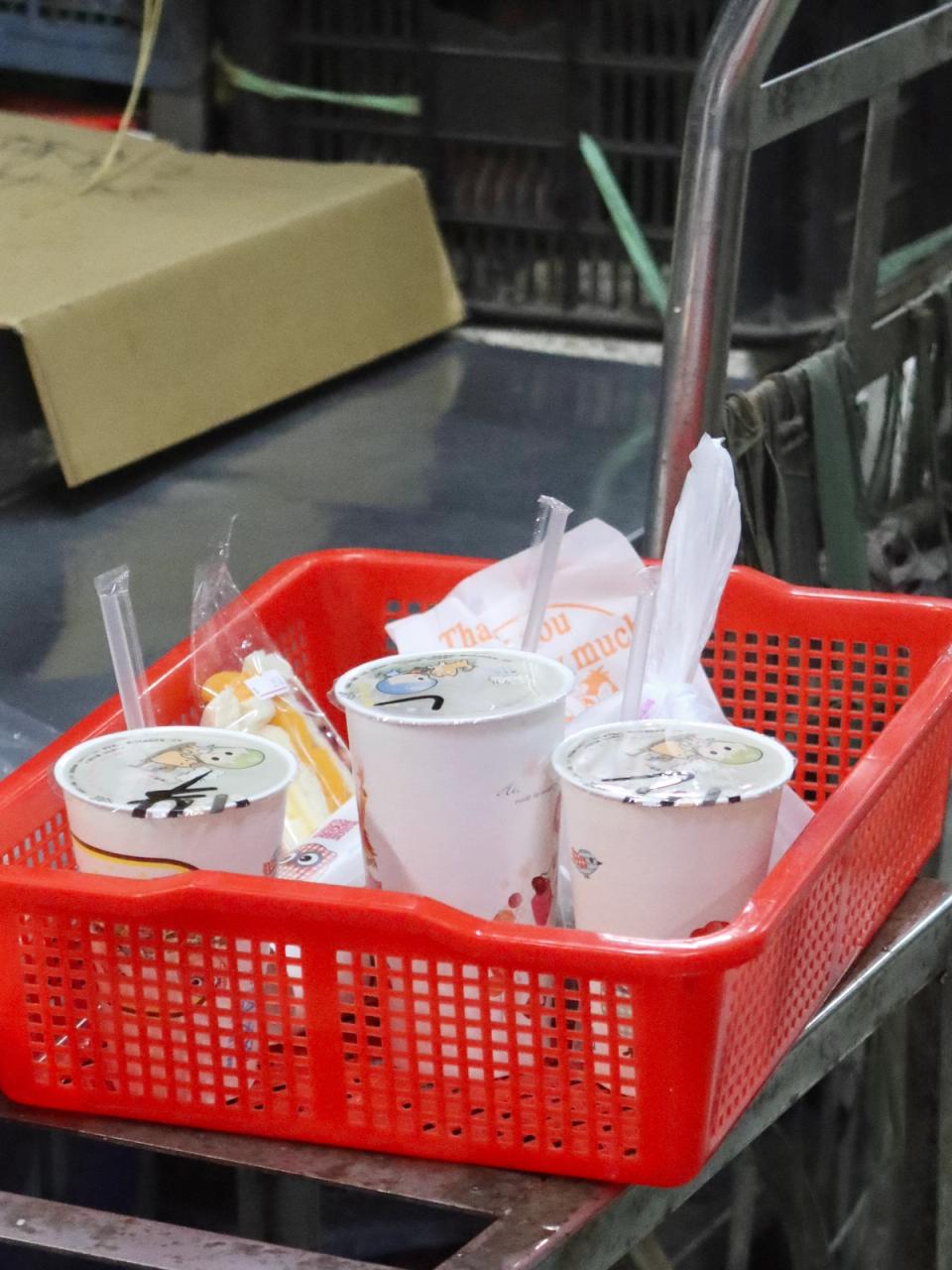
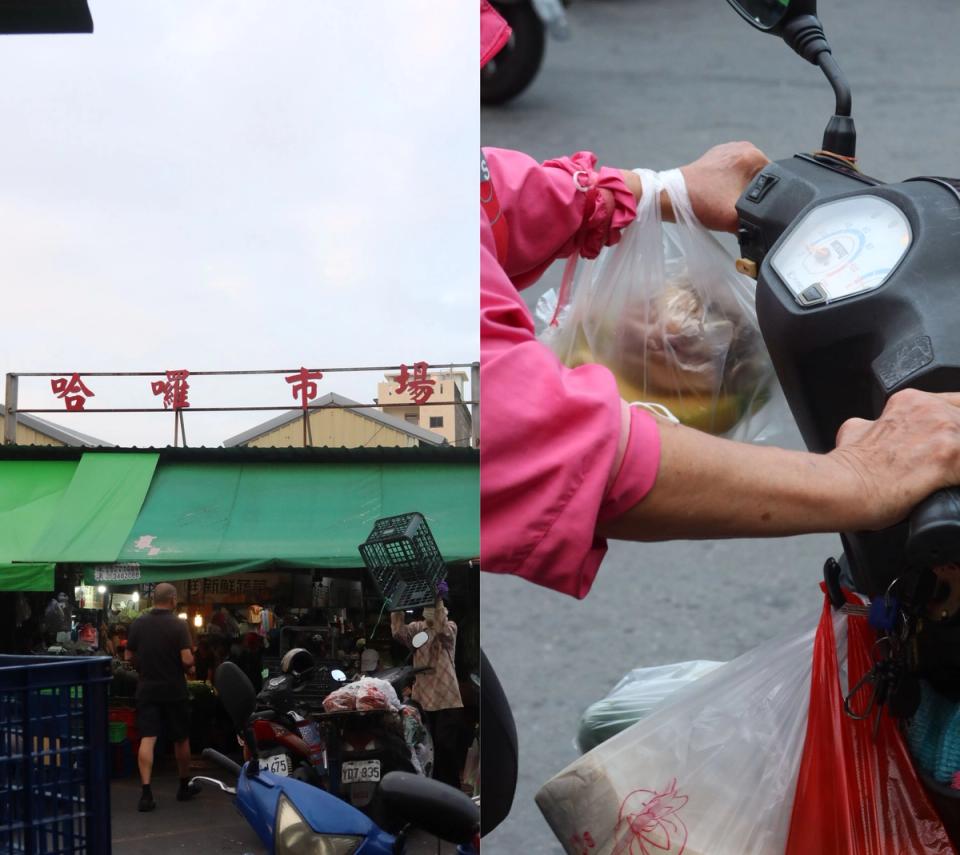
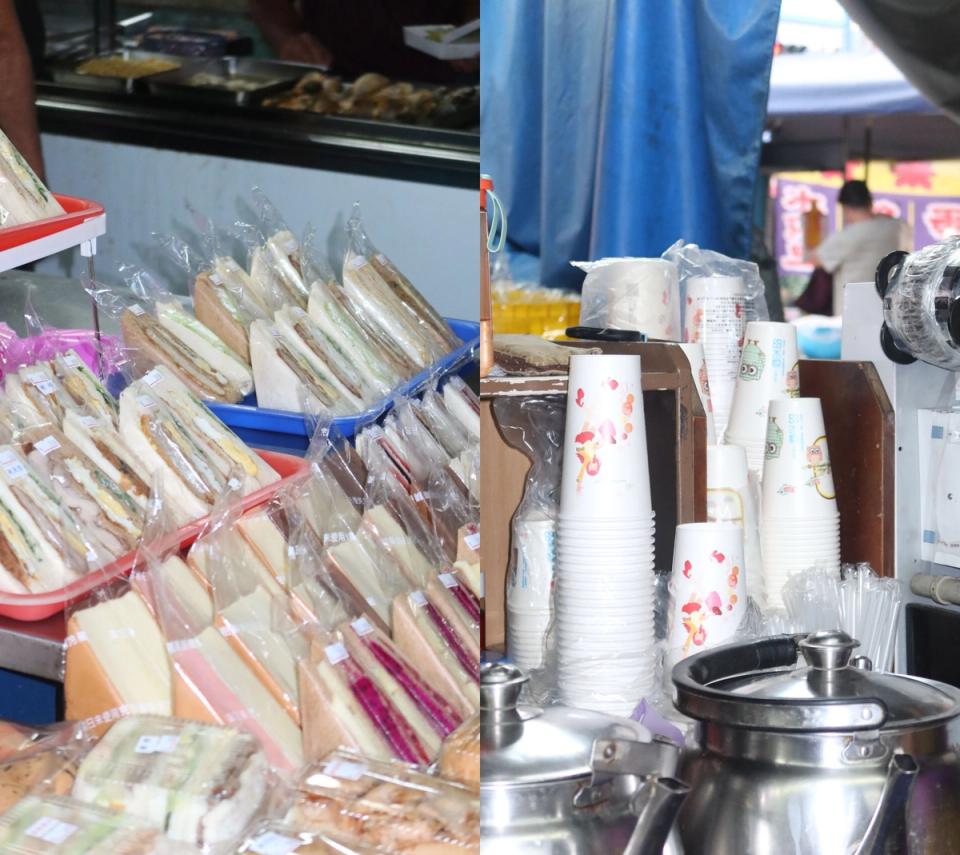
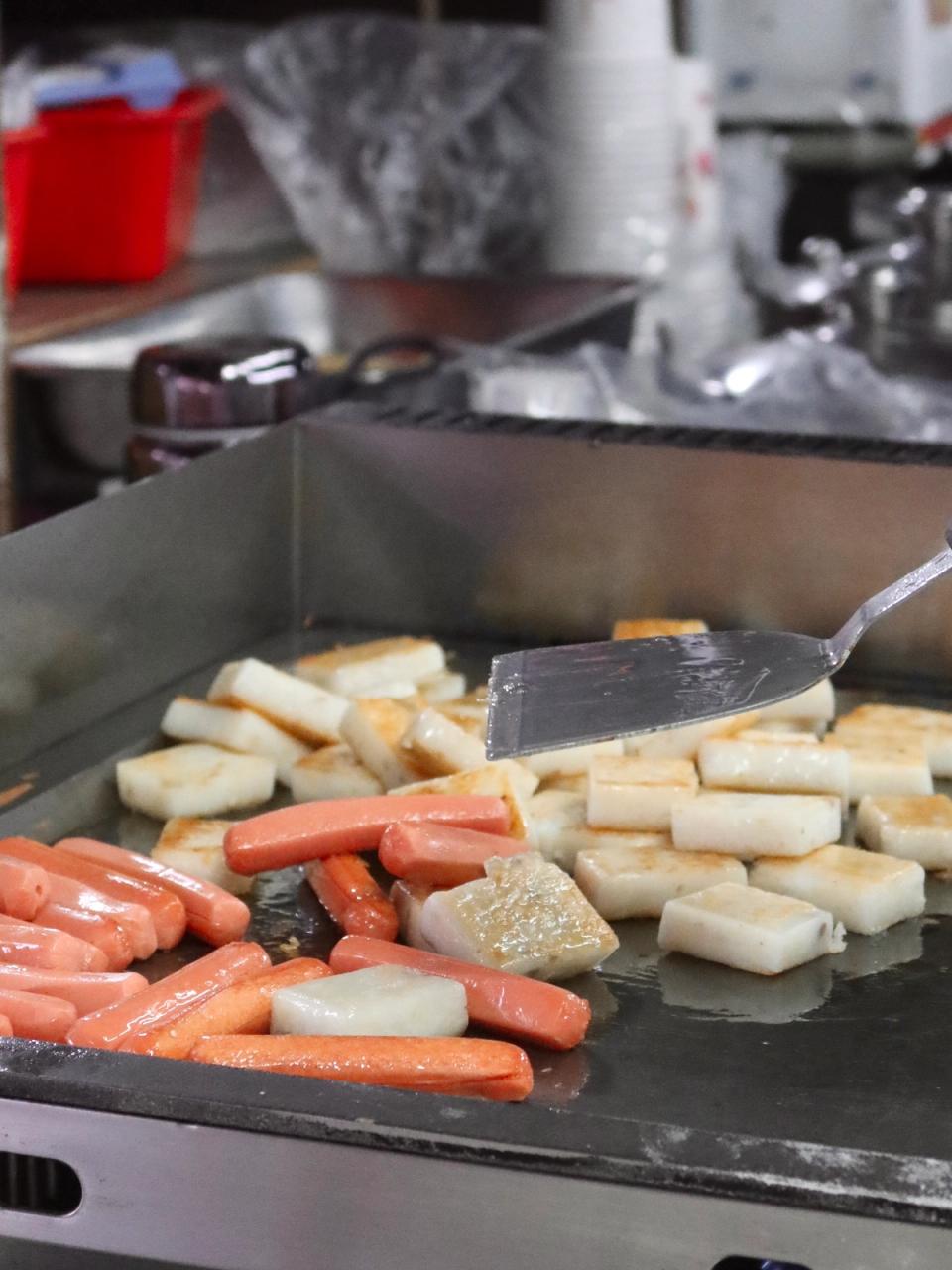
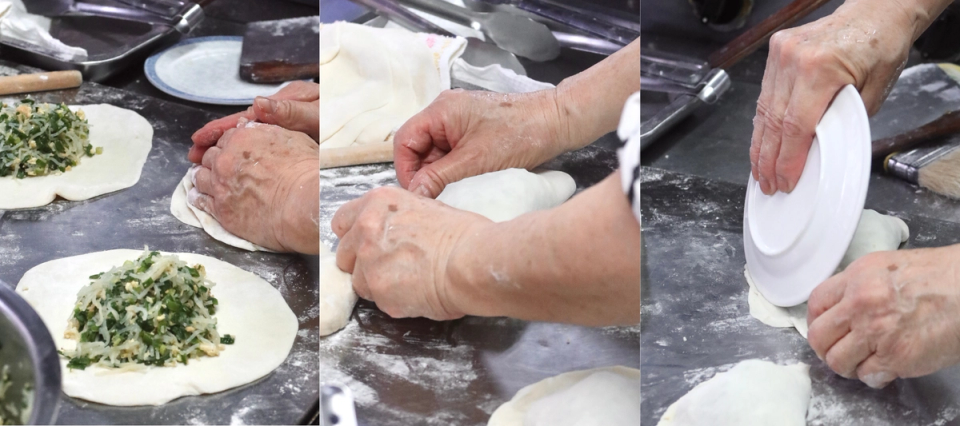
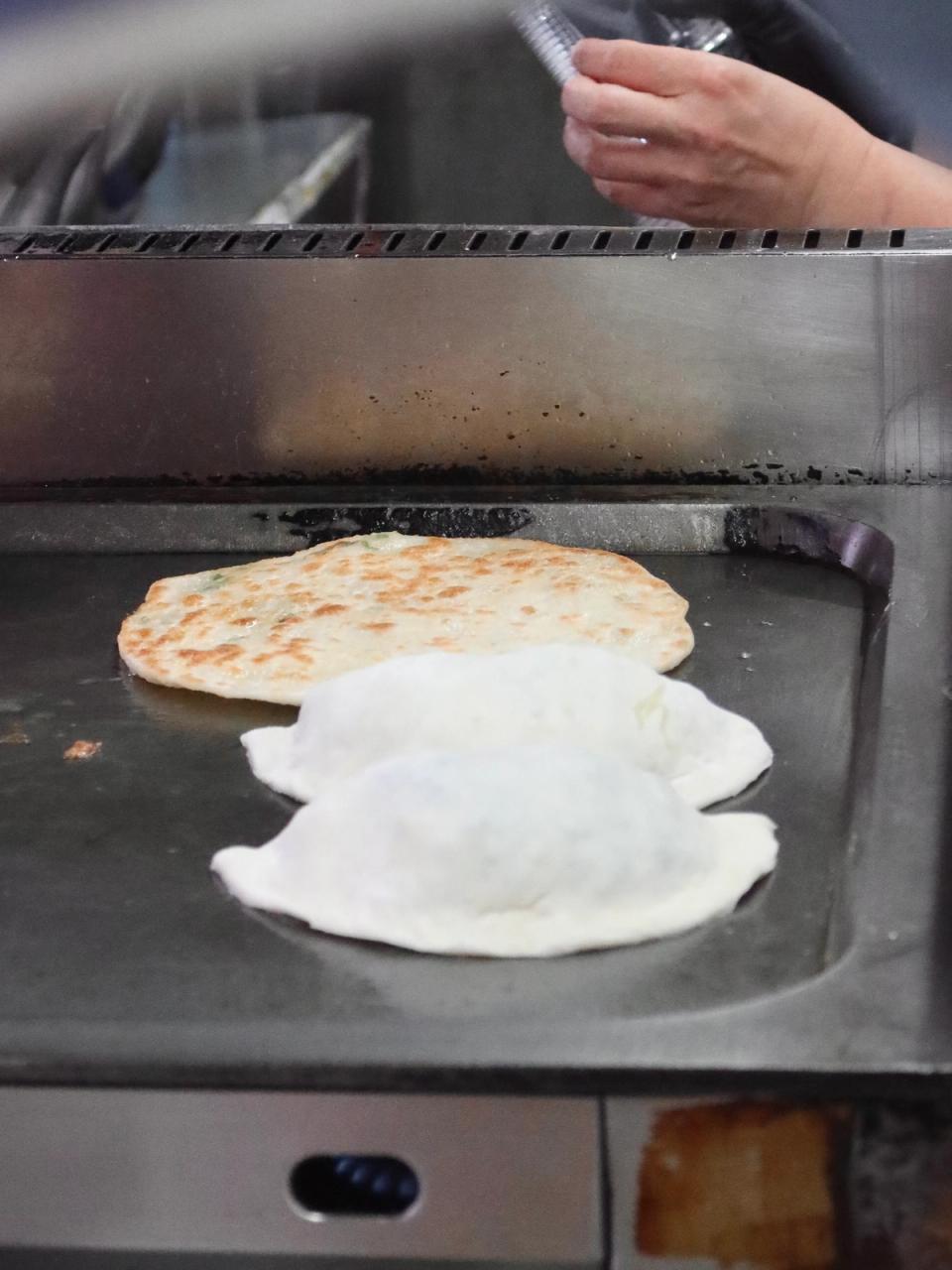
The sign for Hello Market seems to greet you with a cheerful “Hello!” Follow it, and it will lead you all the way to the market.The vegetable section is the first thing you see upon entering. In front of a mound of corn, the vendor deftly strips away the outer husks. When I noticed that he was piling them up instead of throwing them away, I asked why. “Cows can eat these corn husks,” he replied. Worried I might not understand his Chinese, he enunciated each word slowly and clearly. He was as warm as a freshly steamed ear of corn.Water bamboo is a Taiwanese ingredient that is hard to find in Korea. Just as Koreans often grill mushrooms and onions with meat, Taiwanese people like to put water bamboo on the barbecue. Bite into a perfectly cooked piece and its delicate sweetness and crisp, juicy texture make it impossible to stop at one. Oh—and water bamboo has a funny nickname: “Beauty’s Legs.” One look and you can probably see why. People once believed that beauty meant being pale and straight, hence the name. Yet every living thing that grows in nature has curves that are uniquely its own—and uniquely beautiful. The same is true of people. Never forget: there is no single standard of beauty. Each of us is already beautiful as we are.While I was photographing the water bamboo, the vendor and I caught each other’s eye. He seized the moment and flashed me a V sign. Seeing a foreigner looking this way and that, taking pictures of everything, the vendors at each stall quietly greeted me with their eyes. It was such a warm welcome.The vendor, who rides her scooter to work early each morning, has a handmade storage rack tucked into the corner of her stall. By twisting and bending a length of wire, she made a rack all her own: calendar, helmet, handbag—one rack does it all.A Taiwanese breakfast waits in the corner of a stall. I am guessing the paper cup holds soy milk, a beloved Taiwanese soy drink. The straw has not even been pushed through the lid, which makes me think the vendor became too busy to eat the moment work began. Then I heard a bright “Good morning, everyone!” behind me. I turned to see a man weaving among the stalls with a red basket brimming with breakfasts in one hand, handing them out as he went. He was delivering more than breakfast; he seemed to be passing around happiness too.Step out of the market and you will see the three-dimensional “Hello Market” sign above the awning. Perhaps there was no room left on the scooter for all the bags of vegetables, so an elderly shopper looped the remaining bags around her wrists, started the engine, and sped away. That, in a single scene, is the spirit of Hello Market.Walk beneath another awning near the market and you will find it filled with breakfast shops. One owner told me that every sandwich on display is made by hand, one by one, each morning.Radish cake and hot dogs—two quintessential Taiwanese breakfast staples—sizzle fragrantly on the griddle… The bright red hot dogs served at Taiwan’s breakfast shops may taste more of starch than meat, but that is precisely their mischievous charm.In one corner of the breakfast shop, an auntie shapes dumplings at astonishing speed. The wrappers are thin enough for the filling to show through, yet still look wonderfully springy. She spreads on the filling, pinches the edge a few times, then rolls the plate across the dough to cut out neat half-moons with perfectly clean rims.It looks like a giant white half-moon… As the moon sets and the market opens at daybreak, another moon rises on the market auntie’s griddle!!!
A few final questions
Q1. What is the most precious thing about Busan’s market?
At Jagalchi Market, you can breathe in the scent of Busan’s sea up close. No calendar is needed—you can tell the season at a glance from the fish and seafood on the stalls. Sometimes I think Jagalchi must be the liveliest place in the world.
Q2. What do you love most about Hello Market?
At Hello Market, you often catch one heartwarming scene after another: vendors chatting about everything under the sun, helping one another strip corn husks, or unloading a delivery together. As I wander among them, warmth reaches every corner of my heart, and I feel the kindness of Taiwan up close.
Digital Creator.Song Caiii
Born in Busan, South Korea, Song Caiii studied Chinese at university. In 2023, she began an Instagram account introducing Taiwanese culture, inspiring many Korean travelers to visit; she has also published a Taiwan travel book. After hearing ‘能不能和我留在台北(陪我幾天)’—roughly, ‘Could You Stay with Me in Taipei (for a Few Days)’—in Kaohsiung, she decided that icyball was her favorite band. Whenever she visits Taiwan, she deliberately avoids the busiest attractions and takes photographs with an old digital camera. Her favorite images feature Taiwanese people and the warmth they share. More recently, her photographs of ‘Taiwan through a Korean’s eyes’ on Instagram and Threads have quickly won over more than 60,000 followers in Korea and Taiwan. Instagram & Threads: @songcaiii