Inside Taiwan’s Brands Vol.02 | Grassphere: We Want to Build a Taiwanese Brand People Can Trust
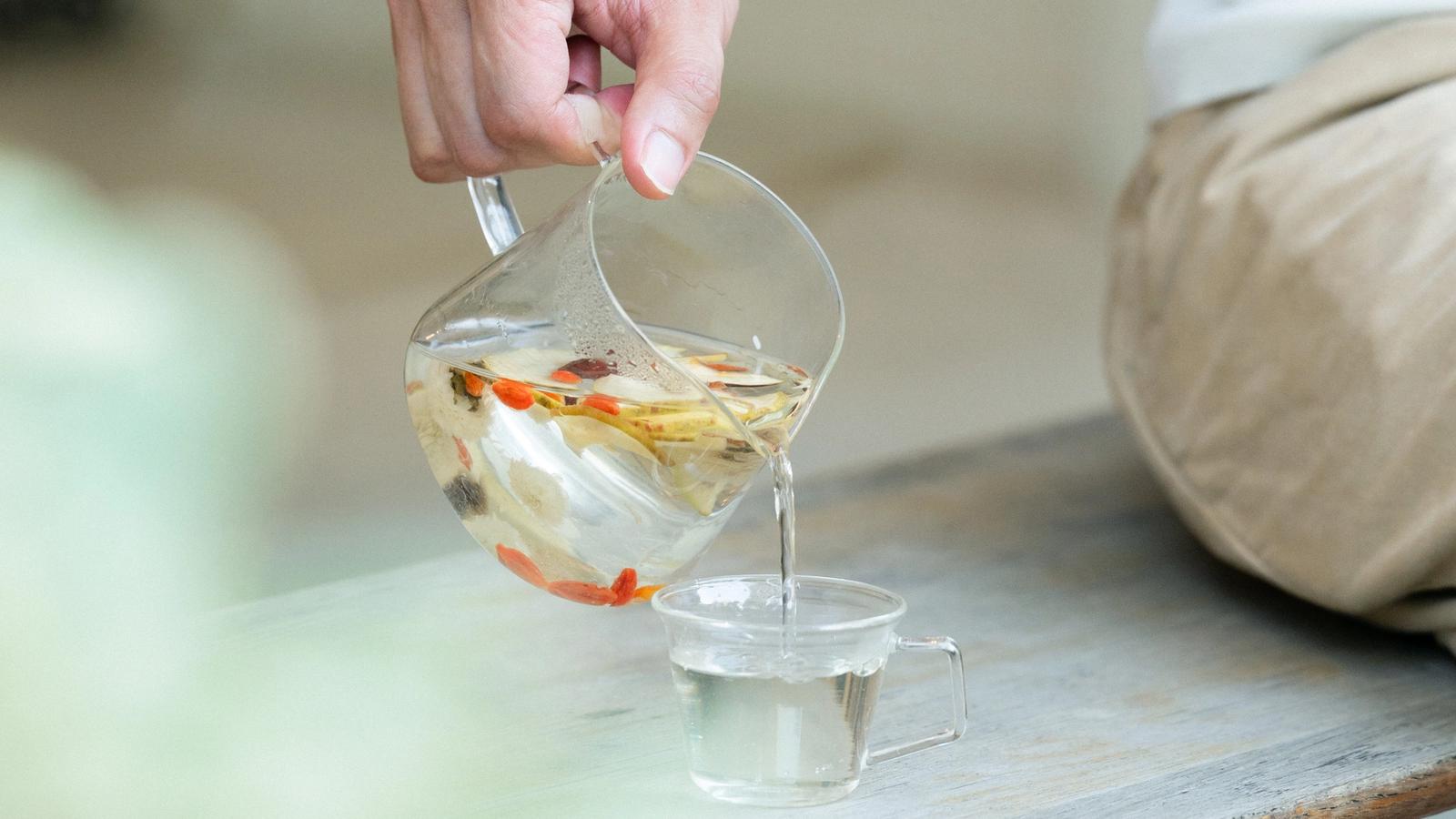
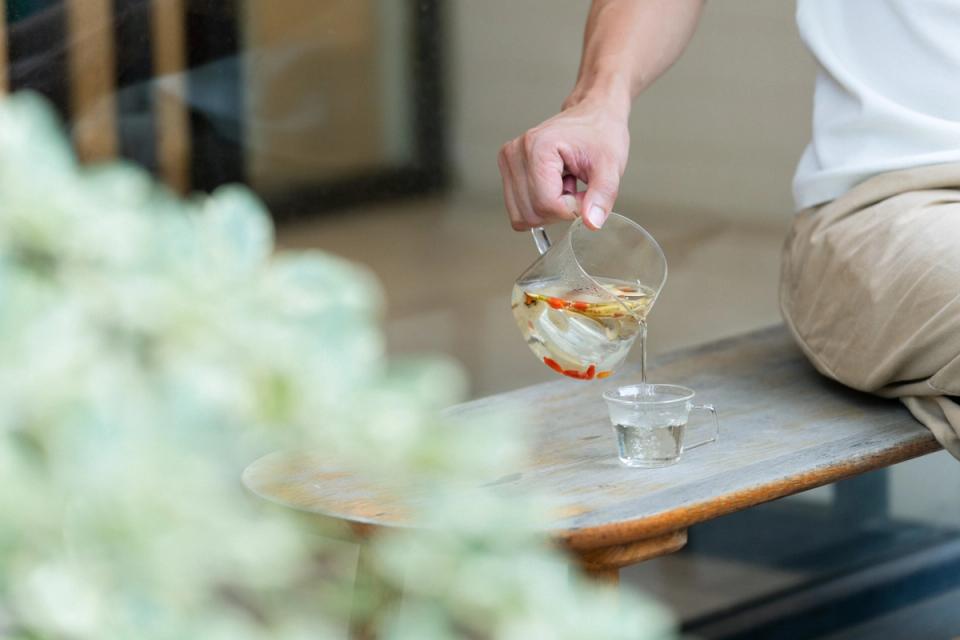
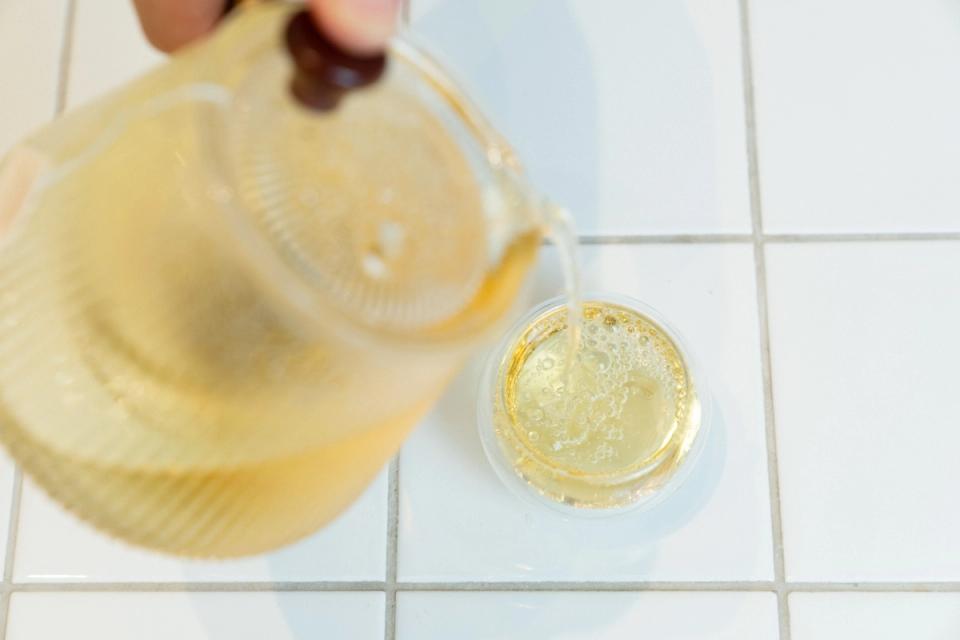
A much-loved line from The Little Prince tells us, “It is only with the heart that one can see rightly; what is essential is invisible to the eye.” Grassphere’s founder, Shana, hands me a cup of goji berry and red date tea. Chilled, it is especially refreshing, quenching my thirst and easing the heat. What unseen stories lie behind this amber-colored cup?
Unseen Value, and What Matters Most
Grassphere’s logo is understated and elegant, with a hint of romance — a look that shapes many people’s impression of the brand. Shana sees it differently. “People look at Grassphere and think of it as a refined, artsy brand. But we actually pay a lot of attention to data, systems, organizational structures, logic and audits,” she says, gently but firmly.
Its milestones include sourcing its tea ingredients entirely from Taiwan (apart from collaborative releases), building a dedicated factory to control tea quality and switching entirely to environmentally friendly FSC™-certified paper packaging in response to the global shift toward greener supply chains and corporate ESG practices. It took Grassphere more than a decade to achieve them, one by one, and they have become distinctive advantages that competitors find difficult to match. Shana says she has always had a blueprint for the brand. It may change in response to circumstances and practical constraints, but the values she stands for remain the same: traceable agricultural ingredients, transparent production that customers can trust, and no additives.
Why did Grassphere come into being? At first, Shana simply wanted more people to enjoy a cup of tea that felt gentle on the body. “I’m prone to allergies, so I thought I could try making some changes to what I ate.” Her father, a keen grower, had several rooftop gardens. In 2014, she put the idea of farm to table into practice, opening a Taiwanese-style herbal tea shop in Taipei’s Minsheng neighborhood. Herbal infusions were at its heart, with homegrown herbs, flowers, fruit and vegetables made into drinks and light refreshments. “Back then, lots of visitors were arriving at Songshan Airport from Shanghai Hongqiao in China and Tokyo Haneda in Japan. Fujin Street, near Songshan Airport, was really lively,” she recalls.
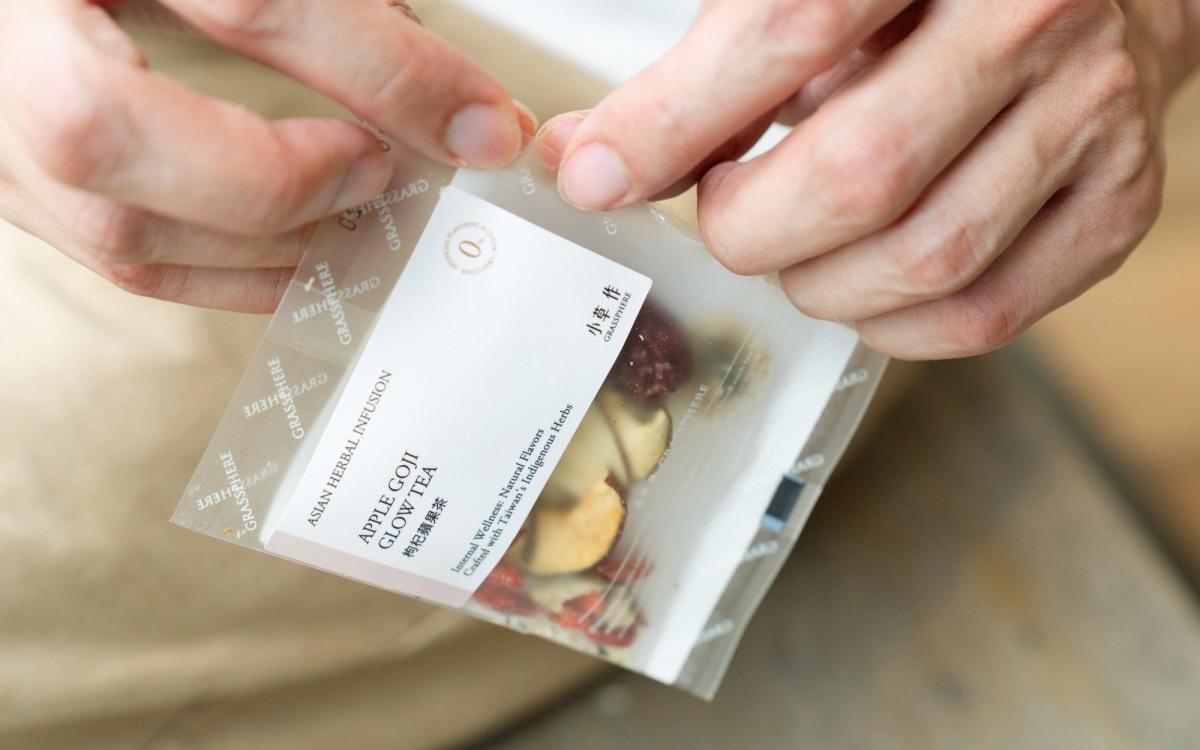
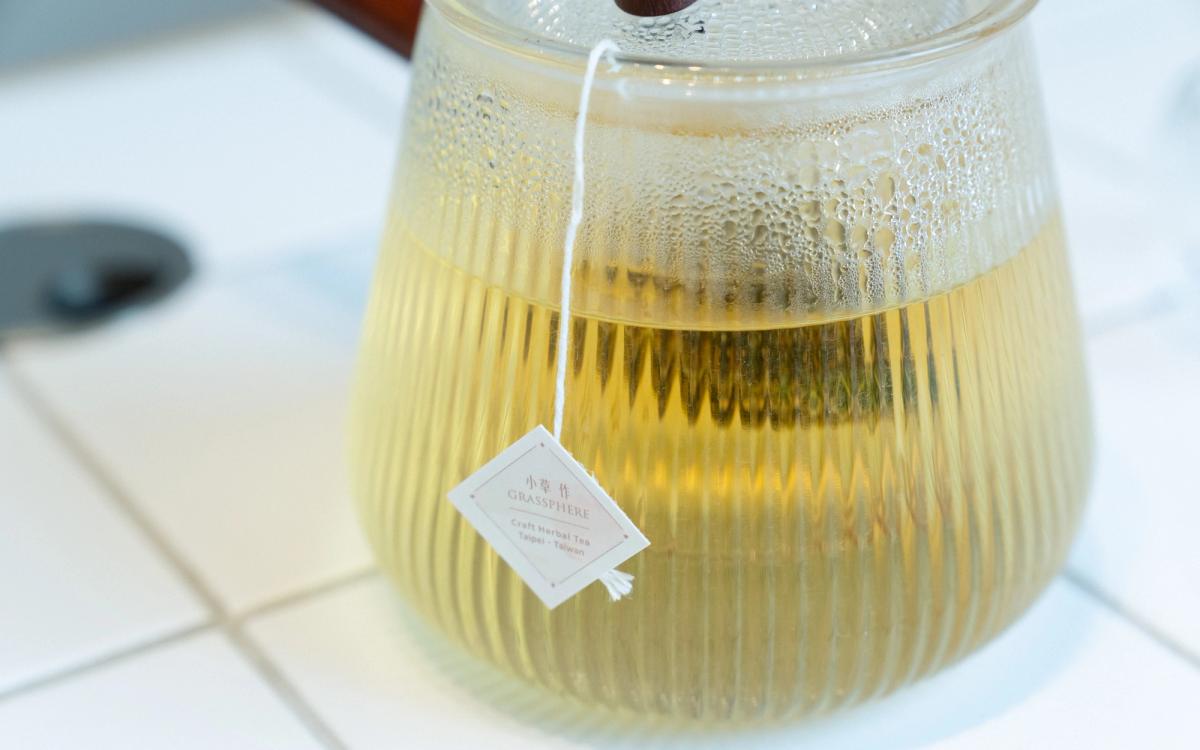
Instead of bright, eye-catching colors, the tea labels use soft shades with a lasting appeal. Chinese and English text, set in elegant type against uncluttered backgrounds, evoke the simplicity of natural herbs and flowers.
1 / 2After two or three years, the shop had built a following, and customers began asking, “It isn’t easy to get here, and we can’t come every day. Do you have anything we can take home?” Those requests prompted Grassphere to develop packaged products. To ensure the quality of its ingredients, the team spent the next several years gradually building its own supply system. From setting up a factory and finding partner farms to sourcing, processing, manufacturing, marketing and shipping, every stage would be managed in-house.
“People often ask me why we don’t just use a contract manufacturer.” Shana believes that trust is hard for a brand to earn but can be lost overnight. If production is outsourced and something goes wrong, the brand may have little means of resolving the problem. The team therefore established a quality-management system. Samples from every production batch are retained for reference; if an issue arises, they can quickly trace its source, identify the affected batch, investigate the cause and determine how to put it right.
All this insistence on painstaking details comes back to the one thing Shana has always cared about most: building a brand people can trust.
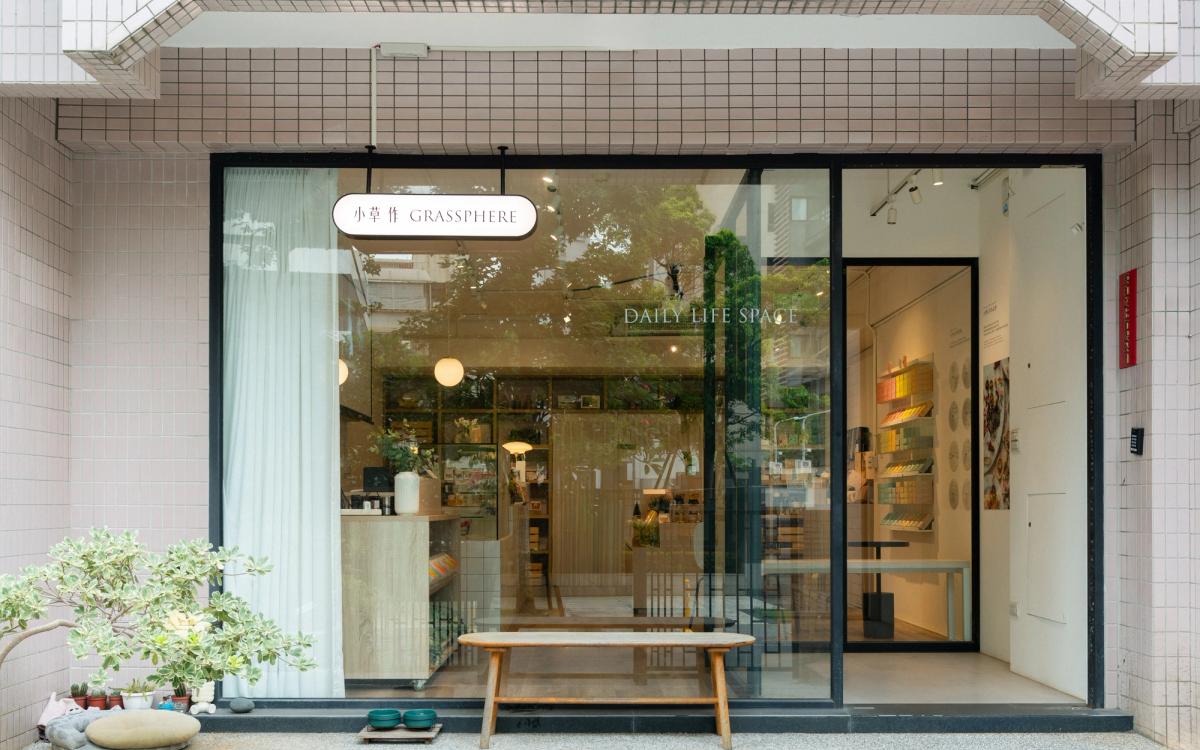
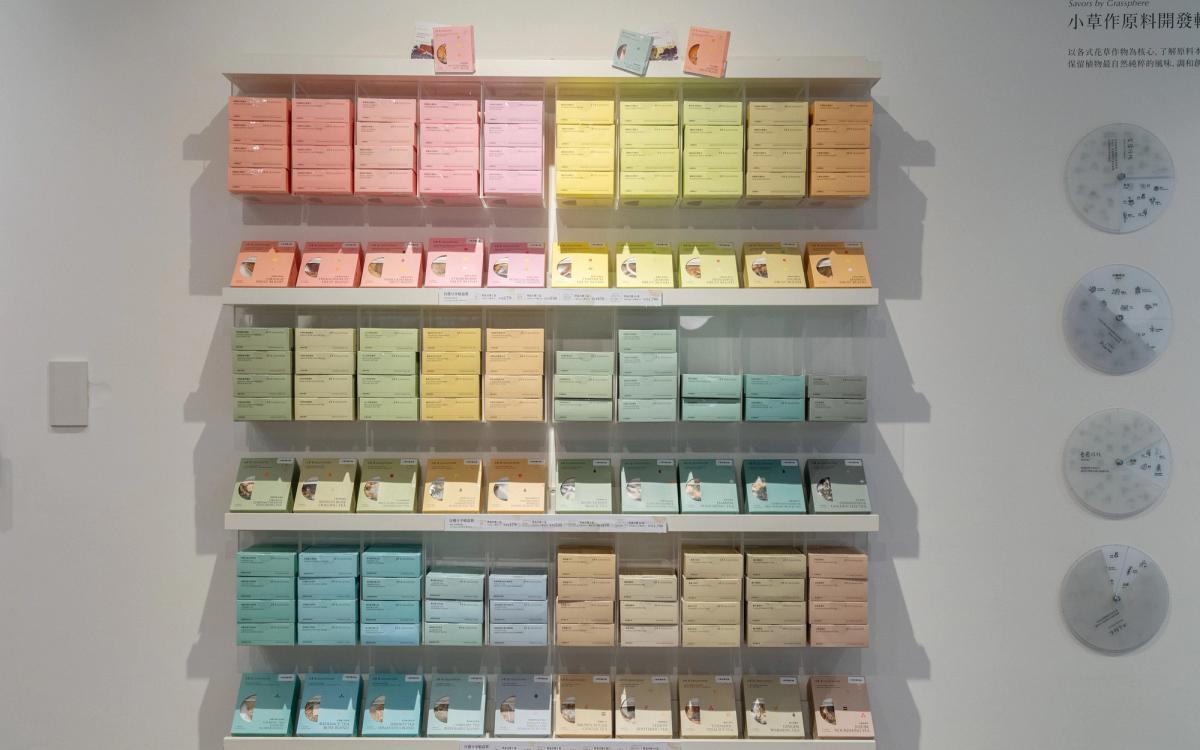
Tucked away on a quiet lane in Tianmu, Grassphere’s concept store feels like a serene, carefully curated gift shop. Minimal displays form a wall of color, inviting visitors to discover the teas inside the boxes.
1 / 2Not Afraid to Be a Little Headstrong
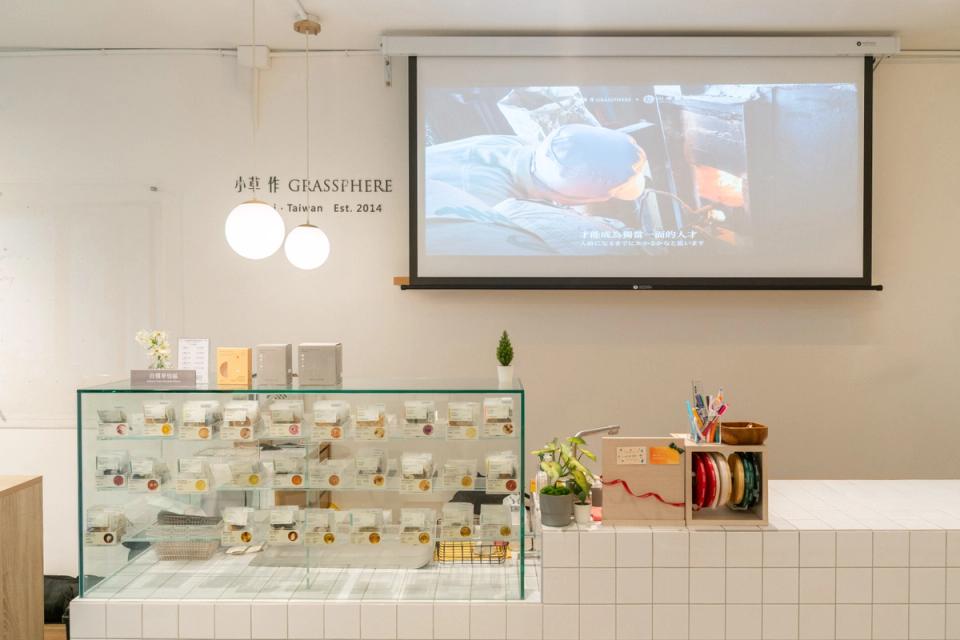
An herbal tea shop 12 years ago set Shana’s vision for Taiwanese-flavored drinks in motion. Today, Grassphere teas are available at selected retailers, including TSUTAYA BOOKSTORE and LAIHAO, across northern, central and southern Taiwan. At the airy Tianmu store, visitors can explore the full range of teas and gift boxes, then sit down to a freshly brewed herbal infusion, prepared that day and brewed just right. With a little luck, they might also meet Amy, the shop cat.
Asked about the brand’s most significant transformation so far, Shana says, “As the business grows, we have to go deeper and pay closer attention to the details to meet what consumers now expect.” In her experience, people increasingly care about more than a tea’s taste or attractive packaging. They also consider the values behind a product: traceability, environmental responsibility and ESG — environmental, social and governance practices. That shift chimes with the value she has long believed in. What should the team hold on to? What should it let go of? How should it communicate with customers? There is plenty of data to review at every meeting, so each decision has a firmer basis.
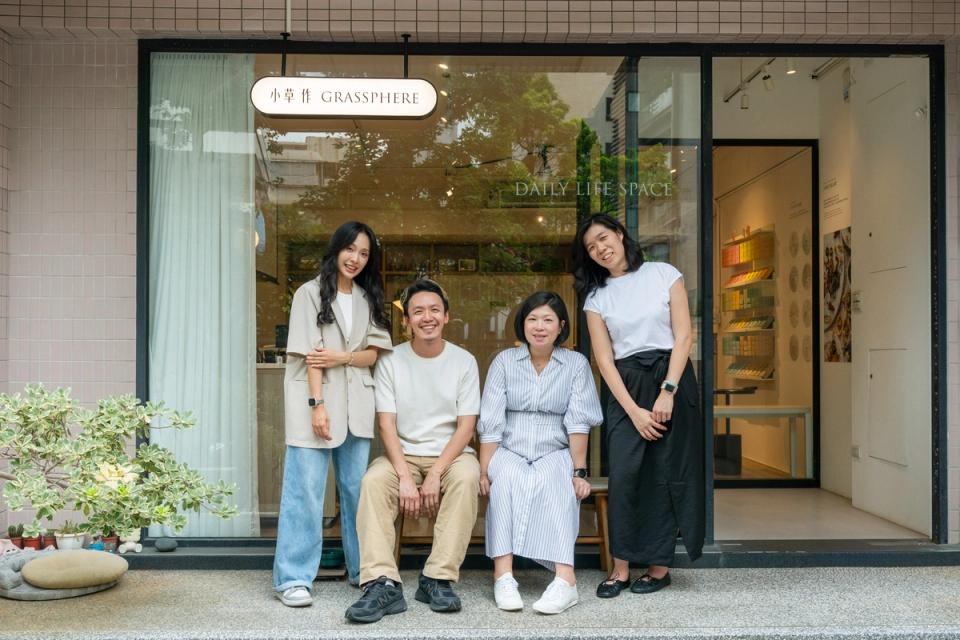
I wonder whether all that data might end up dictating the course of a dream. Shana sees herself as equal parts instinct and reason, adjusting the balance to suit the situation. “Some things are simply worth doing because they put your values into practice. If you lay out every figure — costs, resources, revenue — you can very quickly arrive at the answer, ‘Don’t do it.’” She jokes that she often plays the headstrong one: she makes the big decisions and breaks them down into steps, then hands them over to the team to carry through.
She points to the recently launched Tokyo Artisan-Roasted Barley Tea, a collaboration between Taiwan and Japan. While coffee is a daily habit for many people in Taiwan, she noticed that others prefer caffeine-free tea. Last year, she began thinking about developing a barley tea and found a long-established producer in Japan whose tea had a coffee-like aroma but no caffeine. Importing Japanese barley into Taiwan, however, meant working through a series of import verification procedures. “If I looked at it with my rational brain, I’d think, ‘What a hassle. Let’s not do it.’” Her instincts may lead her toward innovation, but Shana is also deeply practical. She knows better than anyone that decisions can only be carried through when she has teammates ready to take the ball and run with it.
Many of these decisions are made before a trend has taken hold. “I go by instinct. Once I’ve talked it through with the senior members of the team, we decide to go for it,” Shana says, her eyes bright.
More Than Colleagues: Allies Through It All
Chun-Wei Chen, Wen-Hsin Shih and Pin-Ping Wu joined Grassphere in its second year. Today, they are central to three areas of the business: flavor, production and brand communications. “They don’t quite feel like employees, or even just partners. They’re more like comrades-in-arms,” Shana says with feeling. After all, each of these longstanding team members started out doing something very different from their work today.
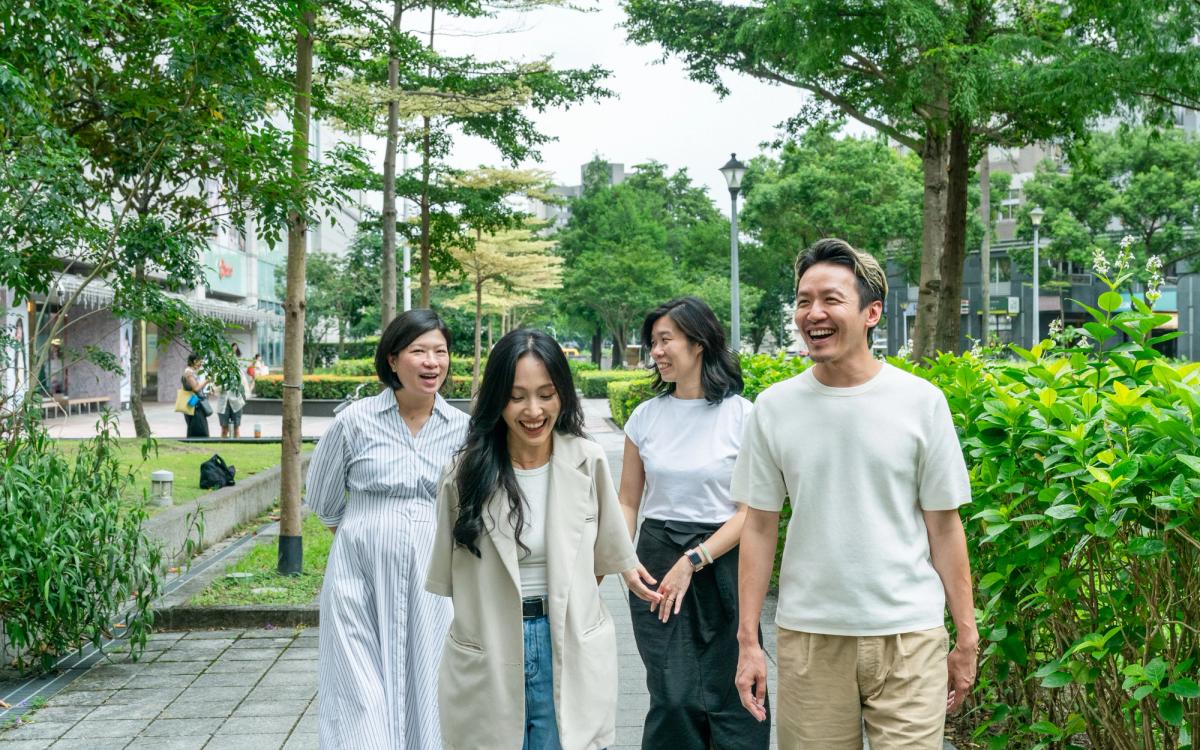
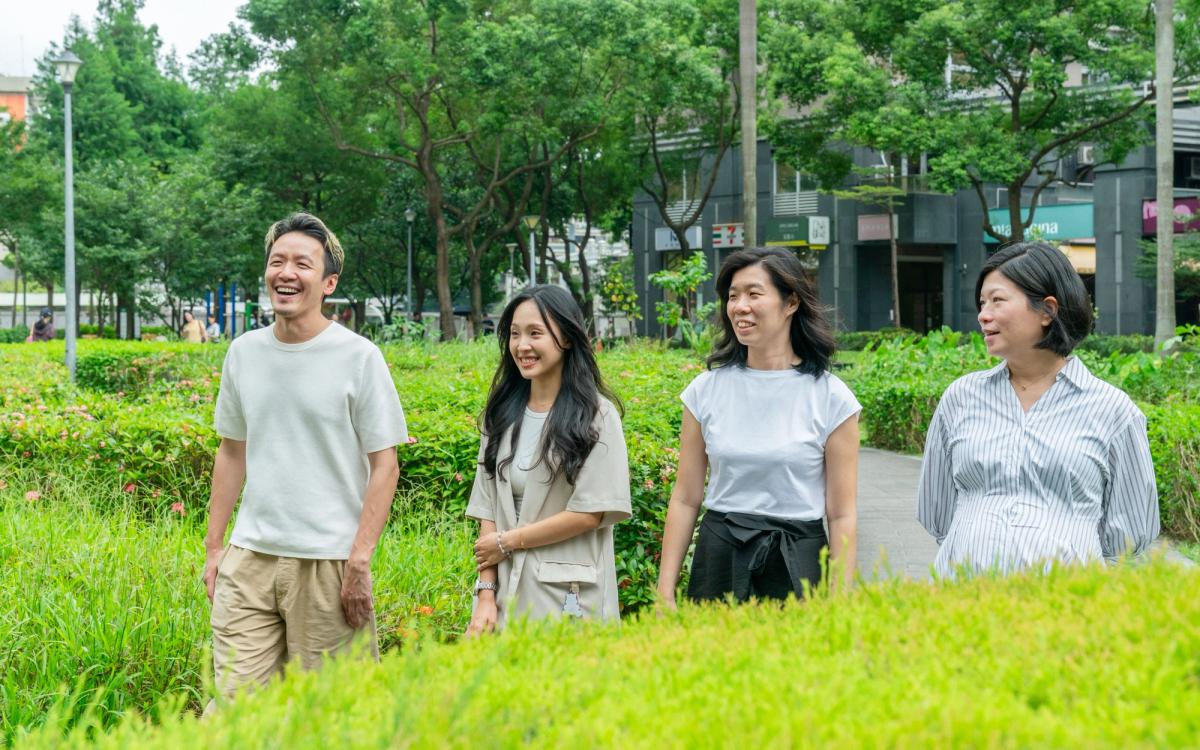
In the early days, the team did everything themselves, from traveling far and wide to visit farms to staying up late packing orders for dispatch. Those demanding days have become some of their most enduring shared memories.
1 / 2Product manager Chun-Wei began as a pastry chef at the Minsheng neighborhood café. His sensitivity to flavor now guides the development of the brand’s teas, as well as the search for and evaluation of partner farms. From choosing ingredients to fine-tuning the final taste, he oversees each adjustment and gives the final approval.
When IHG opened a five-star hotel in Kaohsiung in 2021, it invited Grassphere to create a bespoke bedtime tea for its guest rooms. Chun-Wei chose locally grown longan blossoms from Kaohsiung and organic roses from Pingtung, blending them into a distinctive, sweet, honey-scented infusion. As it brews, a pale blue wash spreads through the water like watercolor, turning a light, buttery yellow a few seconds later. “We spent quite a while experimenting. Many people have tasted longan honey without realizing that longan blossoms also have a pronounced honey fragrance. They’re an underrated ingredient,” he says.
Chun-Wei: “Having a tea I developed chosen by a major group that takes food and drink seriously was a real milestone. And afterward, quite a few people went out of their way to contact customer service because they genuinely wanted to buy it.”
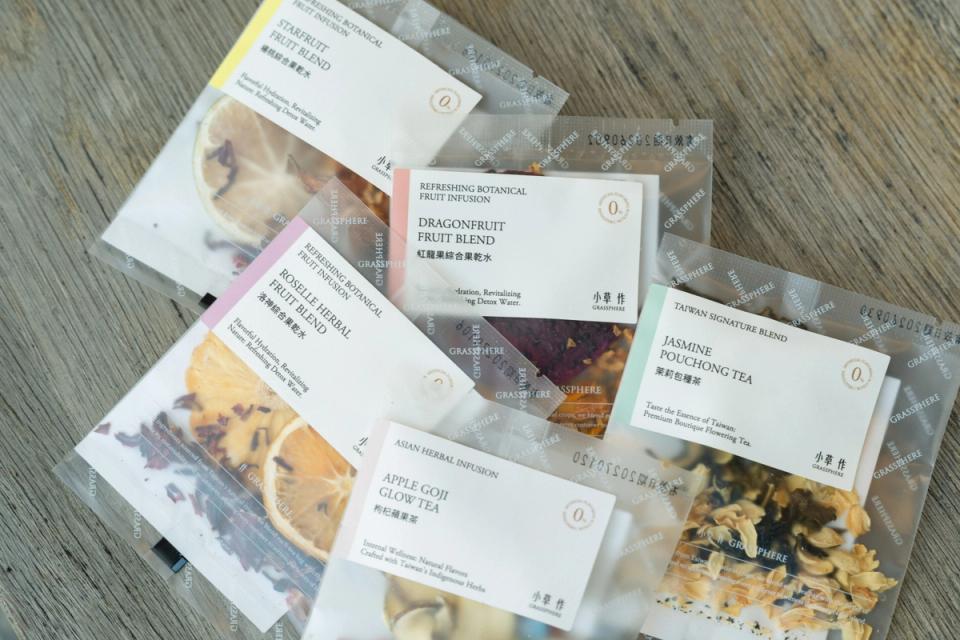
Grassphere’s tea packaging is a pleasure to look at, as though a graphic designer has carefully composed the ingredients themselves. Beneath the translucent wrapping, each ingredient has its own position in the arrangement. Wen-Hsin, who manages the factory, is the unseen hand behind it. Early in the brand’s development, she also visited growing regions, worked with partner farms and took part in in-person marketing events. Meeting customers face to face helped her understand every stage between production and consumption.
“I remember going to a brand collaboration event with Chun-Wei. We met customers from the luxury fashion world and got to observe their preferences and tastes.” Wen-Hsin’s eyes well up as she remembers those days, when the company was small and everyone did everything together. Now based mainly at the factory, she has fewer opportunities to get out. Her responsibilities include screening raw materials, packing and dispatching orders, retaining product samples, researching food regulations and conducting audits, ensuring that the products are not only delicious but consistent in quality.
Wen-Hsin: “We used to visit the growing regions and go to brand collaboration events together. We were part of so many stages of the brand’s development, growing alongside it. It was a lot of fun, and very memorable.”
Grassphere has no conventional business-development team. Many collaborations come through the reputation it has built over time and referrals from others. As Shana explains, its customers include both individual consumers and businesses. “We work with restaurants, hotels, fashion brands and technology companies. Our range of teas is broad enough to suit different tastes and needs.” Pin-Ping, who handles brand partnerships and external communications, plays an important role. Having been with Grassphere for so long, Pin-Ping often hears, “Are you still at Grassphere? We’re looking for ...”
“I’ve spent a third of my life working here! I started in packaging design. I designed Grassphere’s very first tea packaging,” Pin-Ping says with a laugh. In the early days, there were no established procedures for running events; everyone learned by doing. As experience accumulated, the team gradually organized its methods into standard procedures that others could continue to follow.
Pin-Ping: “Trust has always mattered to us. Many clients still come to me after leaving one company and joining another, because they trust me to meet their needs. That gives me the greatest sense of achievement.”
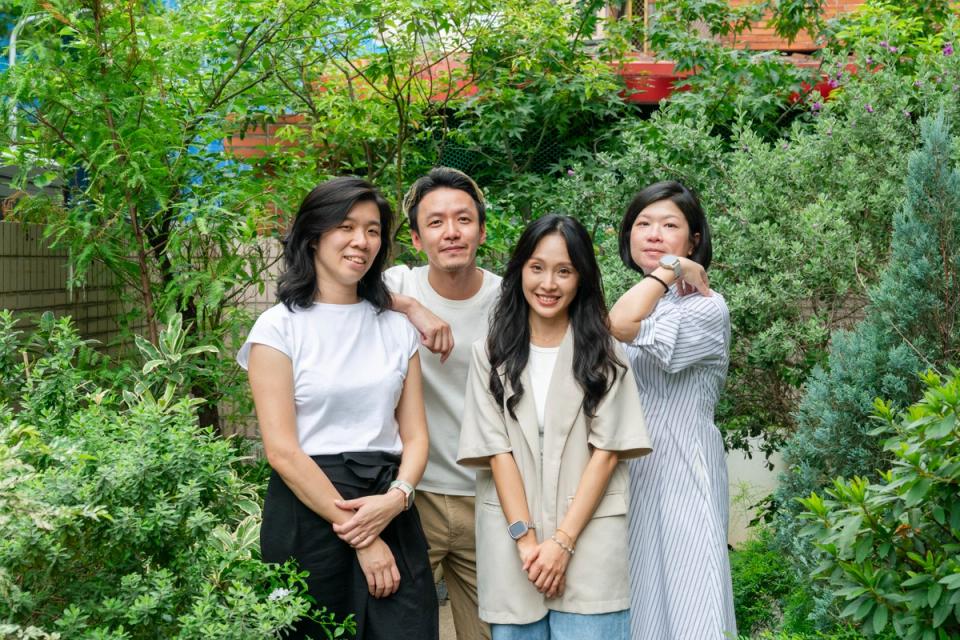
These longstanding teammates have stayed the course with Shana for a decade, meeting different challenges in different roles. That experience now gives them a more rounded view of their work. As they put their abilities to use and develop them further, they have also helped Grassphere grow into the brand it is today.
A Reason Behind Every Tea
The teas Grassphere has introduced over the years reveal how its thinking has evolved. Early products often began with an idea drawn from everyday life. Its first dried-fruit infusions were one such example. The shop served water infused with fresh fruit or herbs from their rooftop garden. Customers unexpectedly took to it, prompting the team to consider how to turn that experience into a product. Orange Mixed-Fruit Infusion remains one of the range’s enduring favorites.
Launched in late 2017, the Mulled Wine Spice Kit interpreted a drinking tradition from abroad through Taiwanese ingredients. Mulled wine was not yet widely known in Taiwan. Always keen to bring interesting customs from around the world into everyday life, Grassphere reimagined it with locally grown herbs, flowers and fruit. The kit received an enthusiastic response and became many people’s first introduction to the brand.
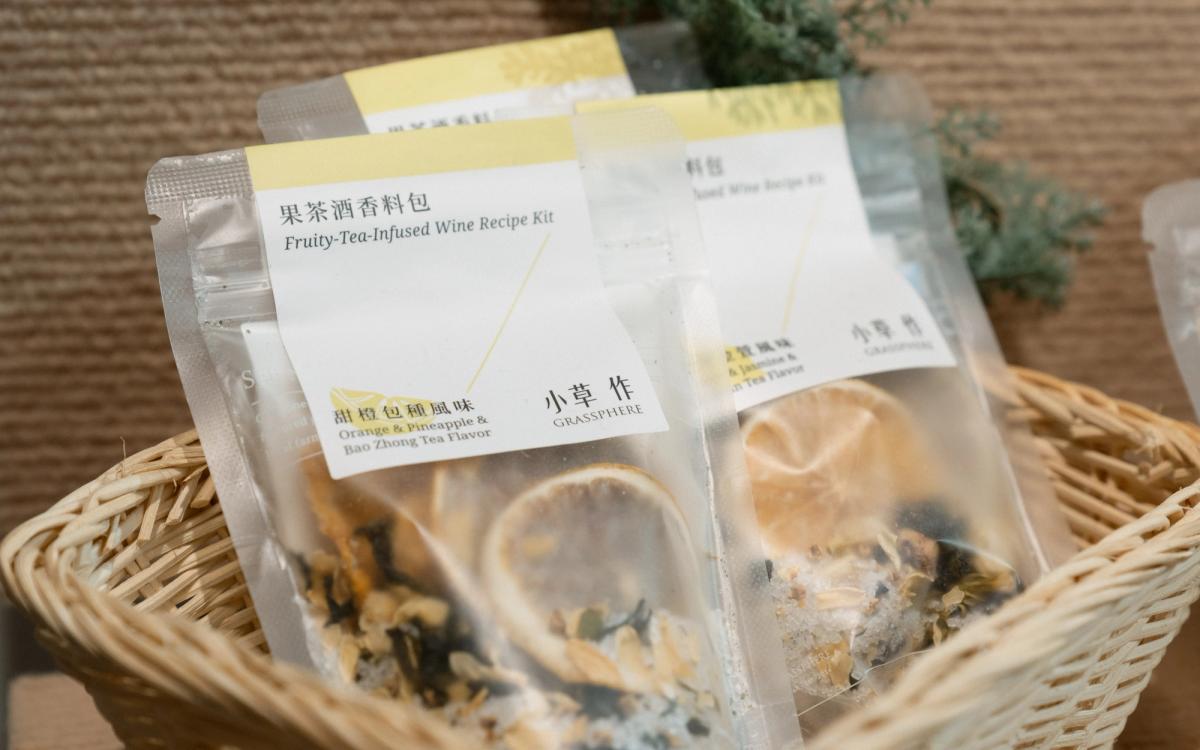
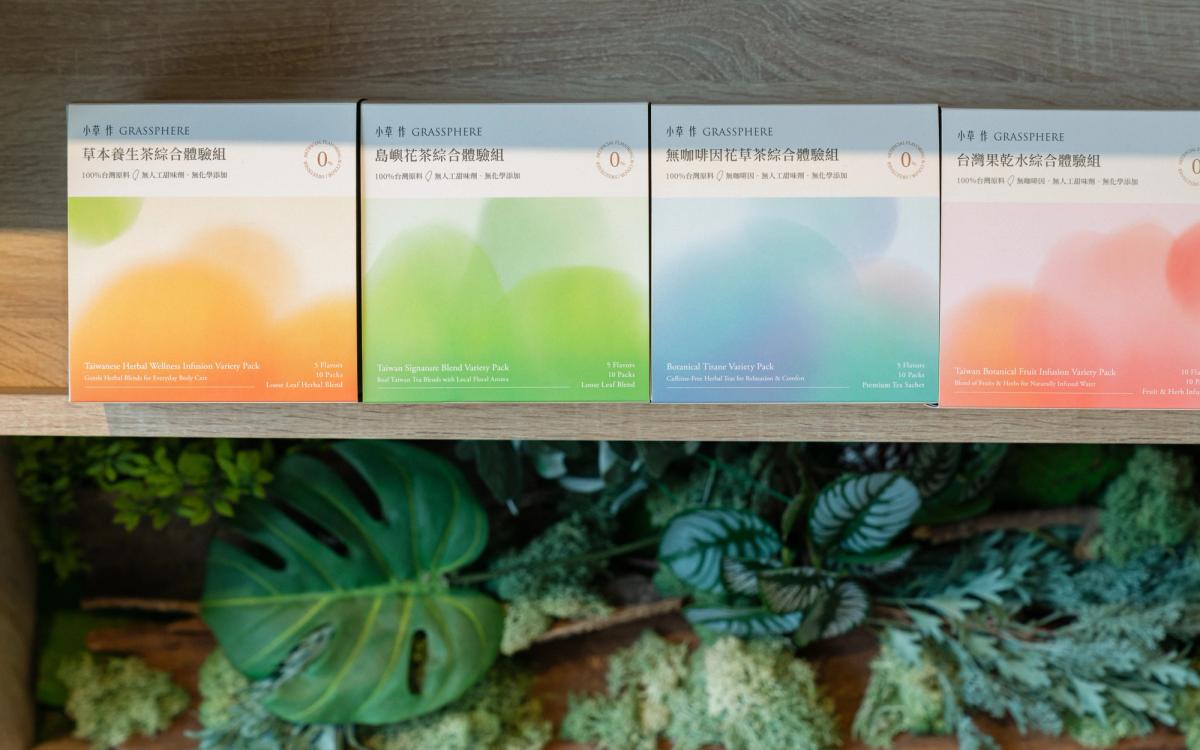
Alongside its mulled wine spice kits, Grassphere has created fruit-and-tea cocktail infusion kits inspired by tea-based cocktails, plus assorted tasting sets across its ranges, continually finding new ways to bring tea into daily life.
1 / 2In recent years, listening closely to customers and identifying unmet needs has become one of Grassphere’s guiding principles. Shana has observed the global shift toward wellness: in a rapidly changing world, people are placing greater importance on restoring balance to body, mind and spirit, while sleeplessness has become an increasingly familiar part of modern life. Grassphere responded by working with the preventive medicine team at ĒSEN Medical to develop its Caffeine-Free Chamomile Blend Bedtime Tea, addressing a need customers were expressing.
The Treasures Hidden at the Source
Anyone who follows Grassphere will have seen the stories of its partner farmers shared on social media from time to time. For the brand, an ingredient is more than a link in a supply chain. Behind it are people who have worked closely with the land for years. “Working with farmers, I’m often moved by the care they put in and their resilience in the face of challenges,” Chun-Wei says.
One example is Chia-Ming Huang, a chamomile grower who has worked with Grassphere for years. A sincere man with a passion for studying ants, he returned home to take over his family’s farmland and set himself the challenge of growing chamomile, a crop Taiwan had long relied on imports to supply. Through organic cultivation, he puts his concern for the ecosystem into practice every day, growing high-quality chamomile that is described as suitable for medicinal use.
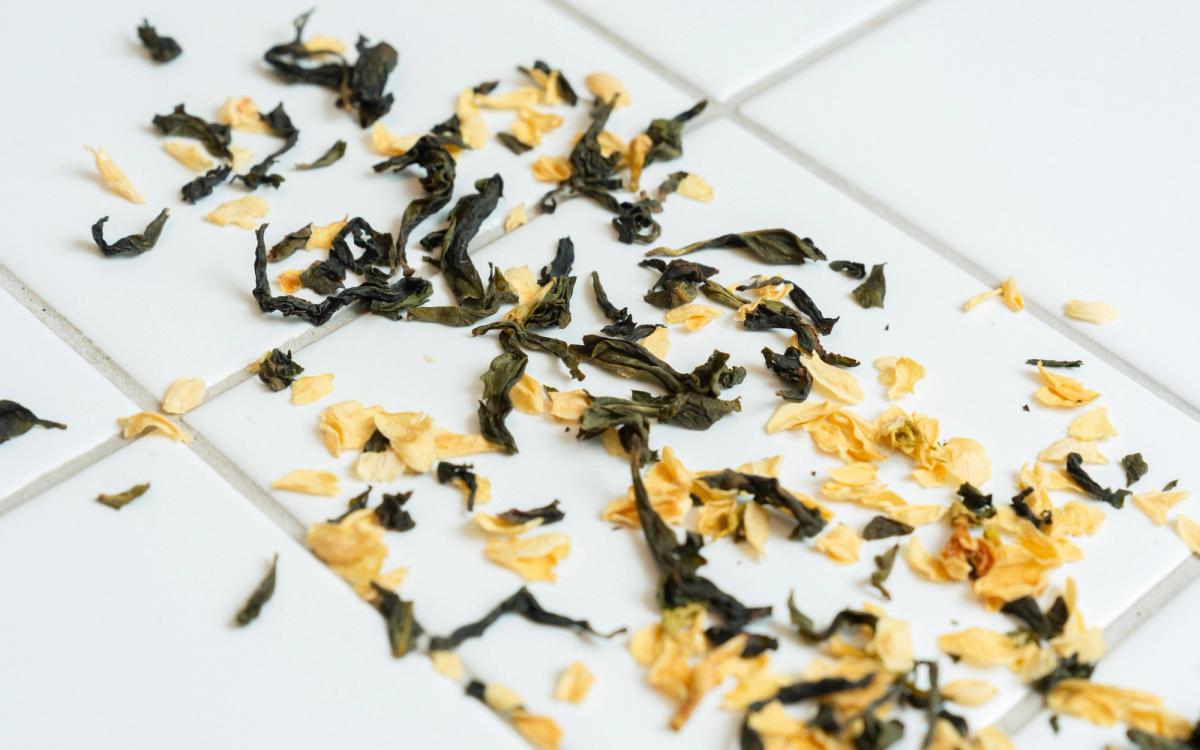
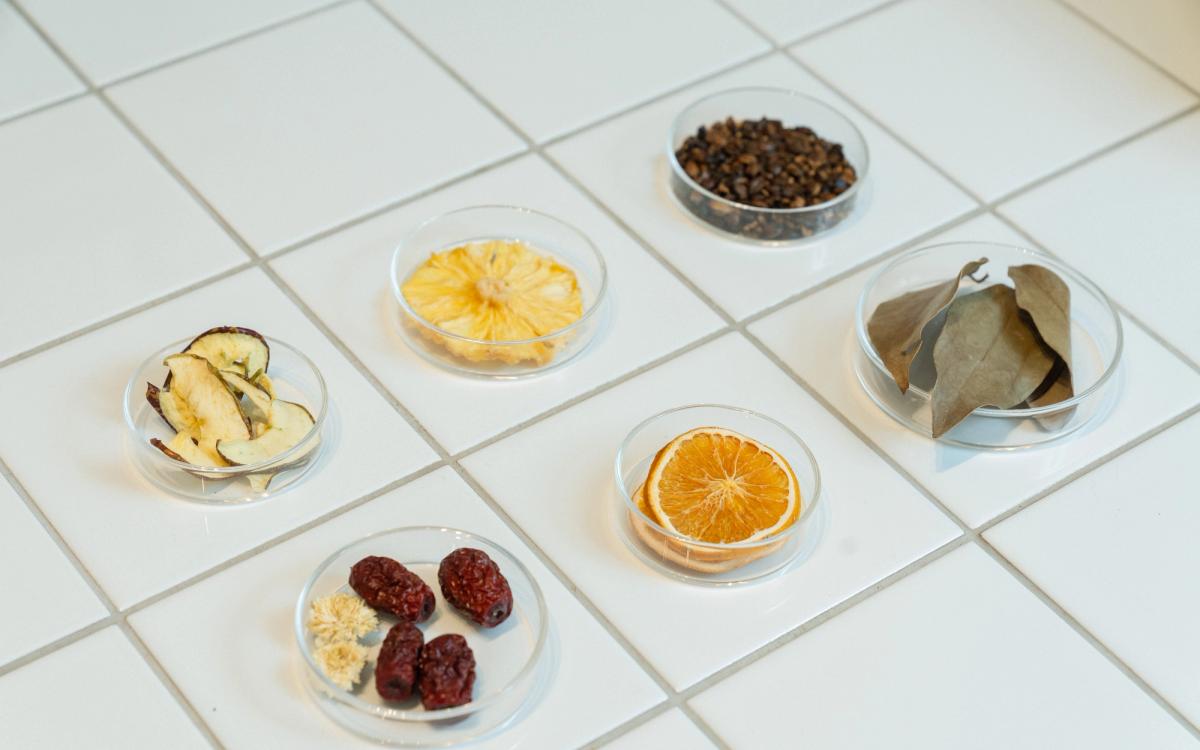
In its commitment to making teas with entirely Taiwanese ingredients, Grassphere continues to seek out new local ingredients and partner farmers, gradually developing flavors that belong to this land.
1 / 2“We used to have quite a romantic idea of farmers. We thought they came home out of a deep attachment to the land, as though that passion alone could sustain everything. But they’re actually very rational, practical and scientific,” Shana says. Typhoons, climate change and the different ways neighboring fields are managed can all have a serious effect on harvests, so farmers develop all kinds of strategies to keep going. Finding growers whose ingredients meet the brand’s standards is, of course, an initial priority. But the team believes something more important is at stake: alongside a safe, reliable supply, farmers must receive a fair return, allowing both sides to build a relationship that can last.
As Chun-Wei points out, Taiwan spans tropical and subtropical zones. Its mountains, coastlines, climate and soils create distinctive conditions for a rich variety of ecosystems, holding plants and flavors that many people have yet to discover. Grassphere hopes to do more than make a good cup of tea. It wants to rediscover what has always been growing here, find new possibilities for it and become a trusted, indispensable part of everyday life.
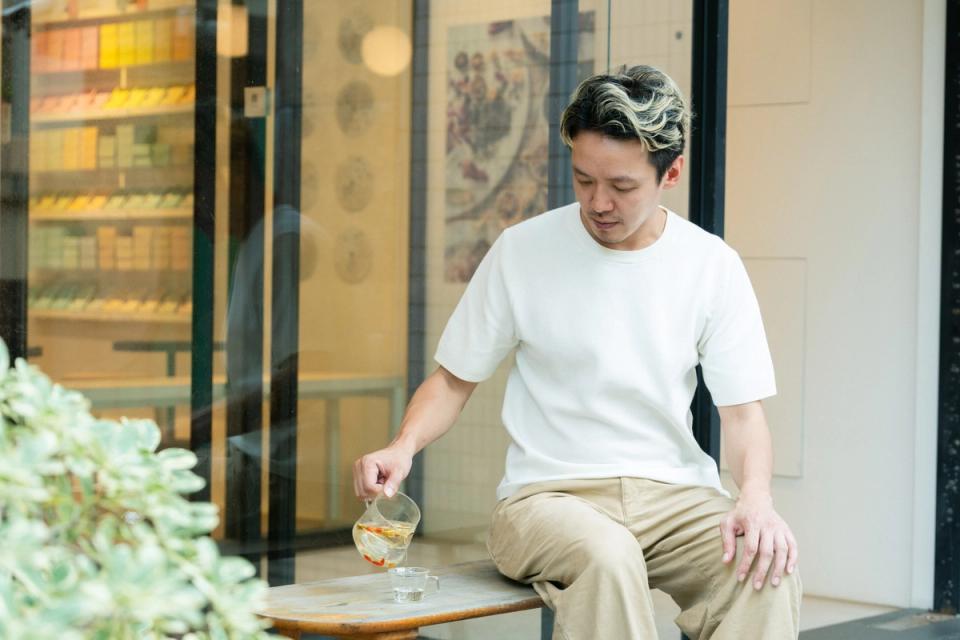
Grassphere’s Tea Recommendations for a Day
Morning | Apple Goji Glow Tea · Recommended by Shana, founder of Grassphere
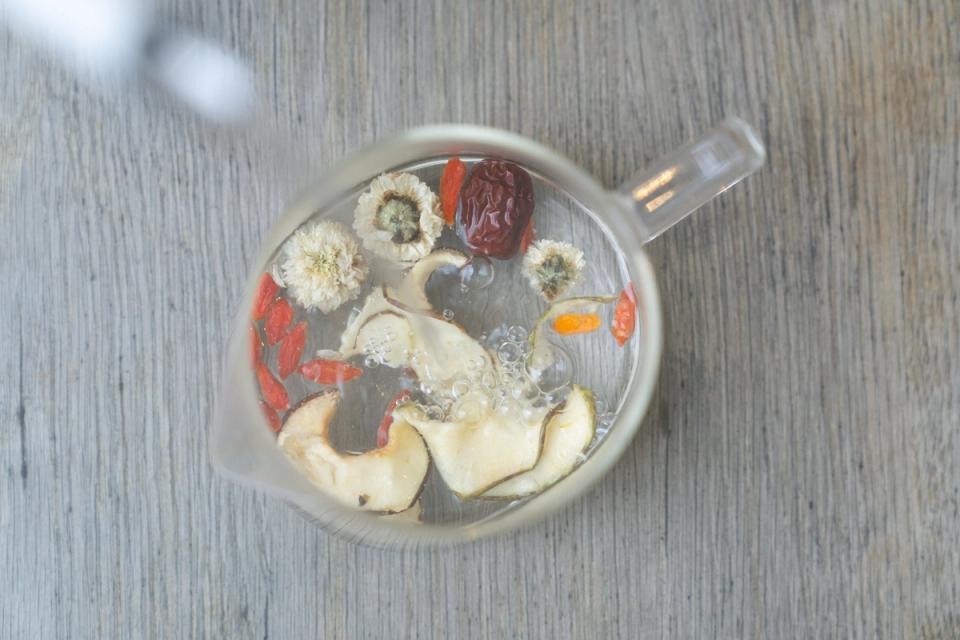
“We mix fresh goji berries with dried slices of high-mountain honey apples. Some people don’t drink coffee in the morning and don’t enjoy plain water, so they have this instead. It has a lighter, refreshing flavor.” For a drink after waking, brew a cup of Apple Goji Glow Tea. Its delicate fruit aroma and sweetness bring a different flavor to the morning.
Midday | Jasmine Pouchong Tea · Recommended by Pin-Ping, brand manager at Grassphere
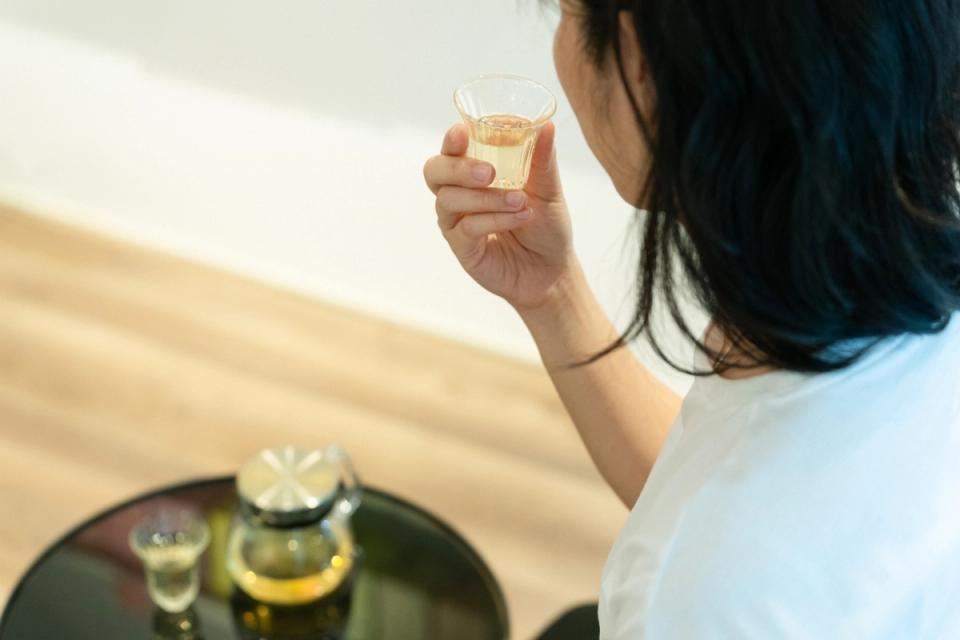
“The jasmine is fresh and delicate. Paired with pouchong tea, it tastes a little like jasmine tea with honey. A cup after lunch really cuts through the richness of a meal, and leaves a lovely fragrance in your mouth!” Subtle jasmine aroma meets the lightness of pouchong tea in a fitting finish to a meal. Cold brewing and hot brewing bring out different qualities, so enjoy it whichever way you prefer.
Afternoon | Osmanthus Roasted Barley Tea · Recommended by Wen-Hsin, production and quality control manager at Grassphere

“I’m someone who has to finish my coffee before noon, or I won’t sleep at night. If I want something to perk me up in the afternoon, I can drink this!” With its gentle toasted aroma and roasted notes, Osmanthus Roasted Barley Tea suits an afternoon when you want a coffee-like fragrance without the caffeine.
Evening | Botanical Tisane Sweet Slumber Tea (Chamomile Blend) · Recommended by Chun-Wei, product manager at Grassphere
“It has chamomile and longan blossoms, which give it different layers of flavor. Some customers tell us it feels comforting to drink and makes it easier to unwind.” For a warm cup of tea to settle into the evening, the soft floral aroma of chamomile and the natural sweetness of longan blossoms make a mellow, comforting choice.
After the Interview | Grassphere × LAIHAO Taiwan Gift Shop
Q: What has it been like working with LAIHAO?
Shana, founder of Grassphere: “To me, LAIHAO plays a very special role. Many international visitors walk into its shops and feel as though they’re looking through a window onto Taiwanese culture. They like the look of our products and buy them to take home as gifts. But when we learned more about our customers’ shopping journeys, we discovered something we hadn’t expected: quite a few Taiwanese customers go to LAIHAO to buy our teas for themselves!”