A Feast on the Game Table: Board Games That Turn Taiwanese Street Food and Banquet Classics into Play
In a digital age when everyone walks with eyes lowered to a phone, some people miss the days before the internet. Whenever they have time, they gather around a table and let a handful of slender cards dictate every joy, frustration, triumph, and defeat. What makes board games so compelling? We meet Alban Couëffé, the designer whose first game, Yes! Ginseng, raised more than NT$1 million through crowdfunding, and his perfectly matched creative partner, art director Wei-Yu Lai. Where do their ideas come from? Why are all four of their games inseparable from food? And which games do they keep in reserve—games capable of crossing cultures and generations and making everyone want just one more round?
“Wait! All Four of Us Are Going to Play!”
Alban comes from France but speaks fluent Mandarin. Wei-Yu, the daughter of a Tainan family, grew up in Taipei. The two have made their home in the city, turning one floor of an apartment into a combined living space and studio. Alban has been an avid board-game player since childhood. “We did not have video games when I was young,” he laughs. “We grew up with a simple version of Monopoly and decks of UNO cards.” Wei-Yu offers a comparison: “For French people, board games are like Chinese chess in Taiwan—an ordinary part of everyday life.” Around 2017, they began noticing more original Taiwanese games and a growing number of board-game shops. That was also when they unexpectedly found their way into game design and developed their first title, Yes! Ginseng.
“I was working as a designer at a company that wanted to develop a board game for tourists. That was what brought Yes! Ginseng into being,” Wei-Yu explains. The idea grew from Alban’s first experiences in Taiwan. Every time he entered a night market, the snacks before him seemed both mysterious and unfamiliar: he could not read the ingredients, pronounce the dish names, or even order with confidence. Then inspiration struck. What if there were an entertaining game that introduced Taiwanese street food while helping players practice the pronunciations? After a few rounds, overseas visitors like him could order at night markets like pros.
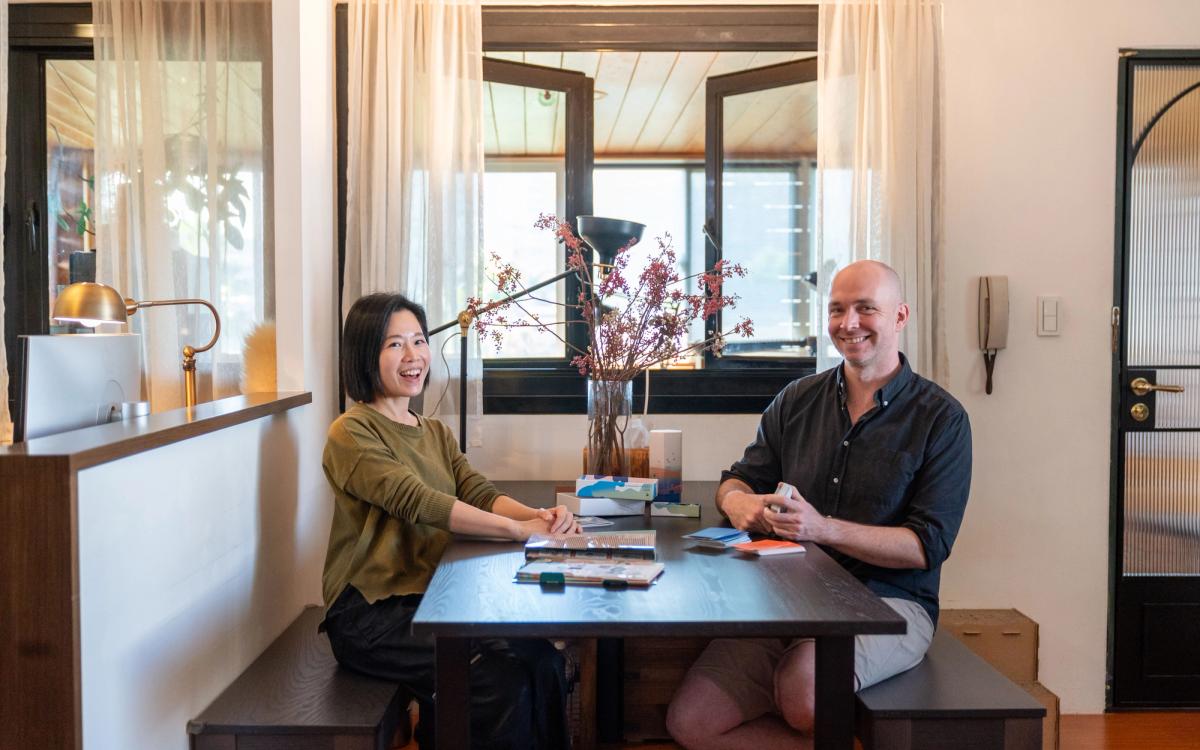
Wei-Yu (left) and Alban (right) believe that board games do more than bring family and friends together—they can also reawaken the childlike spirit in grown-ups.
1 / 2At the time, Alban was teaching at National Tsing Hua University’s Language Center. During one commute between Taipei and Hsinchu, a romantic fusion of culture, teaching, and play suddenly took shape in his mind: the earliest form of Yes! Ginseng. Alban turns to fetch the game, calling out, “Wait! all four of us are going to play!” Wei-Yu, who handled the game’s entire design herself, emphasizes that their original ambition went beyond creating an educational game about Taiwanese snacks. They wanted to invent a new kind of Taiwanese cultural souvenir.
In France, Wei-Yu observes, visitors can leave an art museum with an exquisite deck of cards that combines play and art. In Japan, travelers can bring home everyday objects that unite local character with skilled craftsmanship. “If we could make a cultural souvenir that lets people carry something distinctly Taiwanese away with them—whether as a gift, a keepsake, or a game to share with family—that would be wonderful.” Her mother is always feeding Alban and telling him, “This is delicious; try that one too.” Food therefore became his most natural subject, confirming for both designers that local cuisine is one of Taiwan’s most persuasive calling cards.
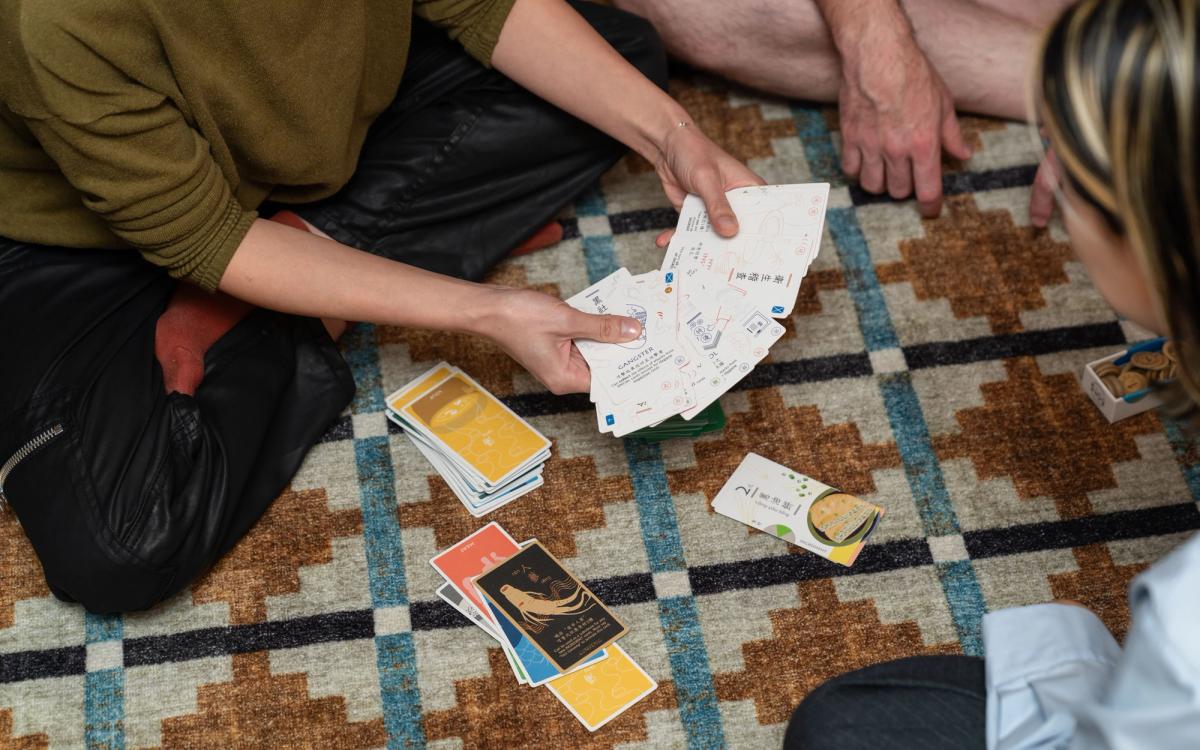
The designers share one firm belief: the rules must be simple and intuitive, the game should work for anyone from eight to eighty, and a round should end within thirty minutes—just short enough to make everyone eager to play again.
1 / 2A Foodie’s Board-Game Feast: From Street Snacks to Banquet Classics
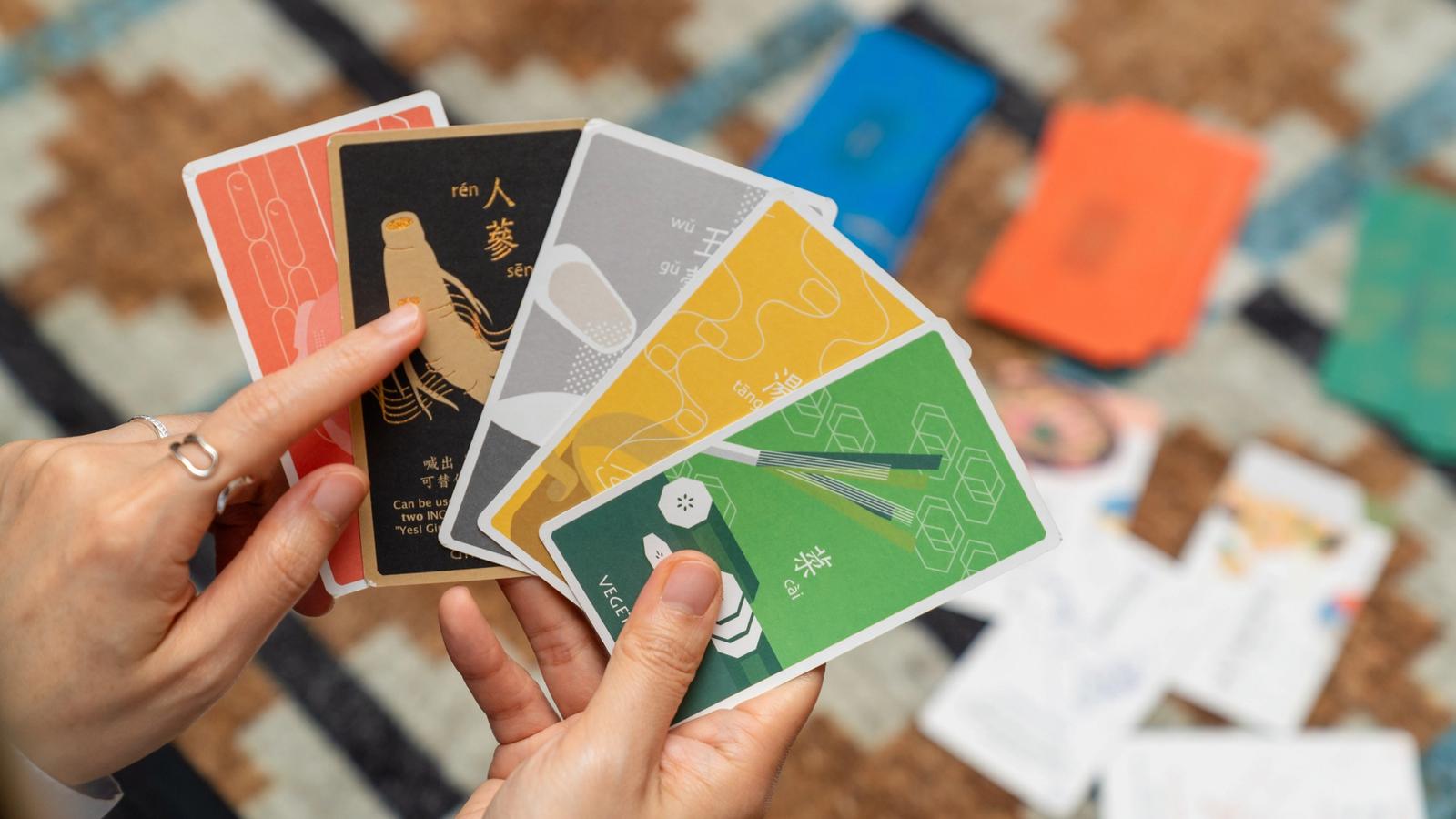
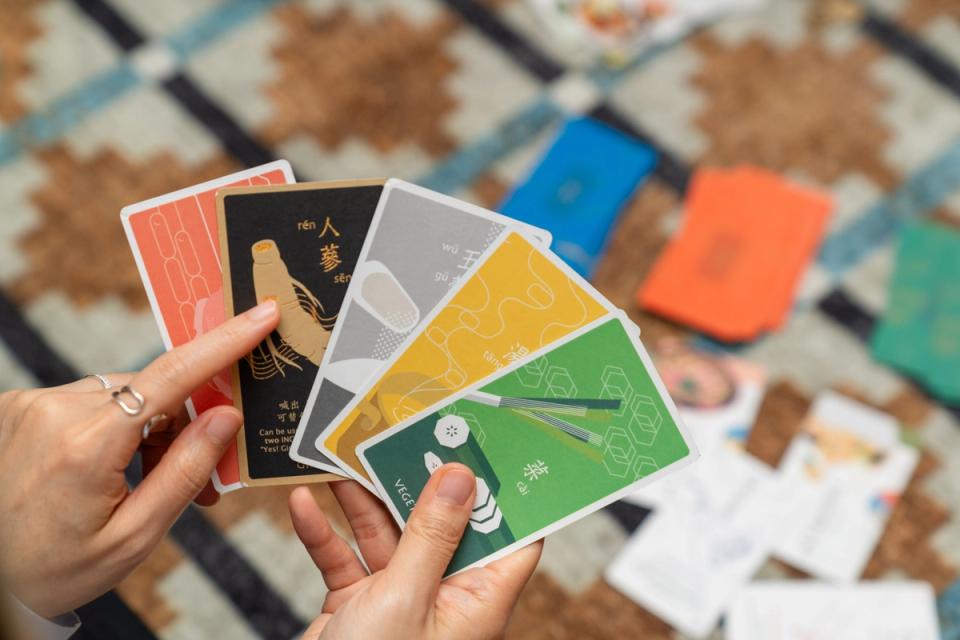
Yes! Ginseng, a game built around Taiwanese night-market snacks, debuted in 2018 with the promise of crossing languages, generations, and cultures. It drew an enthusiastic response on the Zeczec crowdfunding platform, raising more than NT$1.4 million and securing over one thousand preorders. Its contemporary yet culturally grounded visual design and packaging earned a 2018 GOOD DESIGN AWARD in Japan. The result ignited a creative passion in the pair, who had entered board-game design almost by accident, and they resolved to release a new title every year.
“Players become stall owners. They use the ingredients they draw to prepare dishes and earn money, while attack and defense cards let them obstruct their opponents and heighten the excitement,” Alban explains as he swiftly deals cards around the table. Five minutes into our trial round, he and Wei-Yu are already in battle mode—trading words, scrutinizing every play, and attacking without mercy. The room comes alive at once.
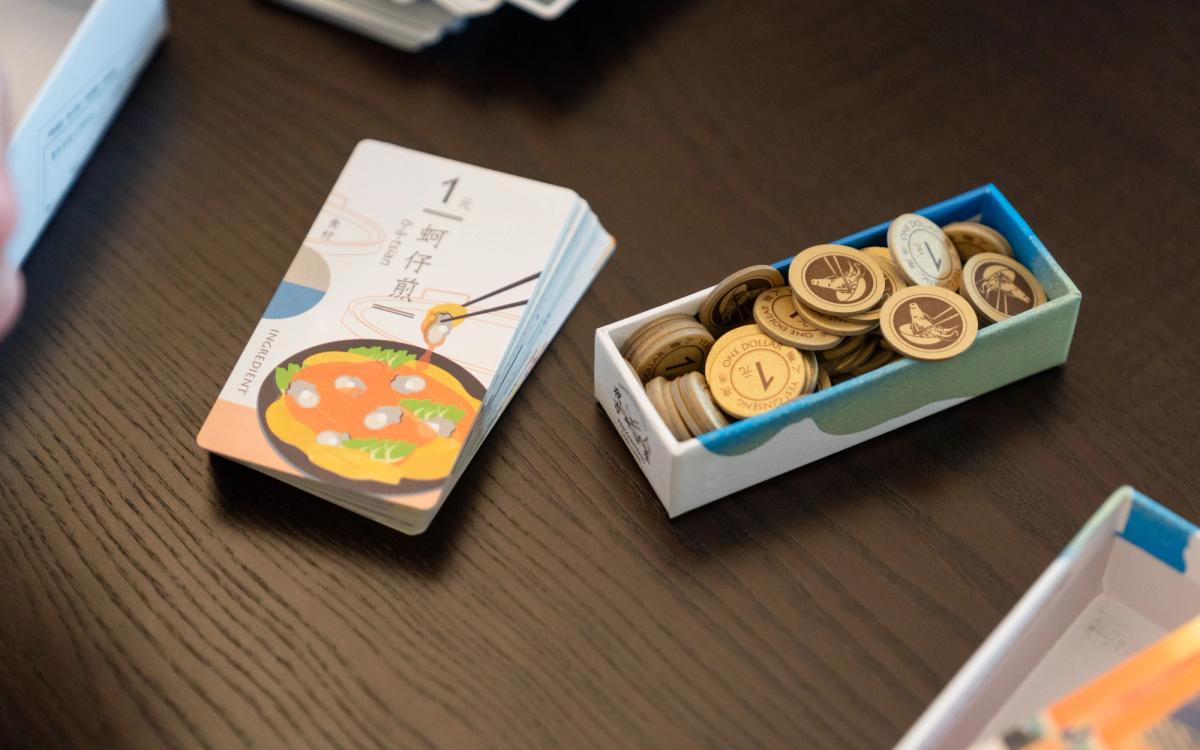
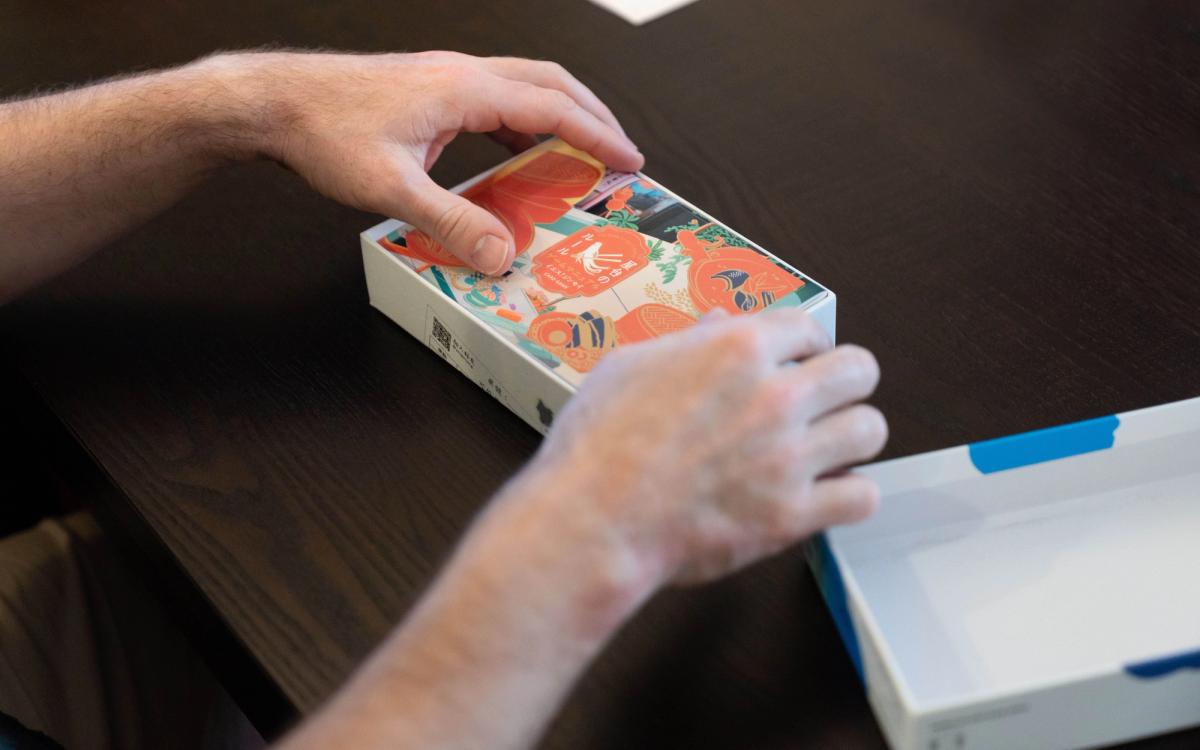
A friend once told Alban that he had bought Yes! Ginseng for his nephew and niece. “He had no idea that we were the creators. I found that deeply moving,” Alban says with quiet satisfaction.
1 / 2To their surprise, Yes! Ginseng appealed to far more than tourists. Taiwanese players began inventing alternative ways to use it: some brought it into Mandarin-language centers as a teaching aid; primary-school teachers used it to help students calculate the calories in food; and one bed-and-breakfast host would play a round with overseas guests before leading them into a real night market to taste the snacks, transforming the evening into an immersive journey through Taiwanese culture.
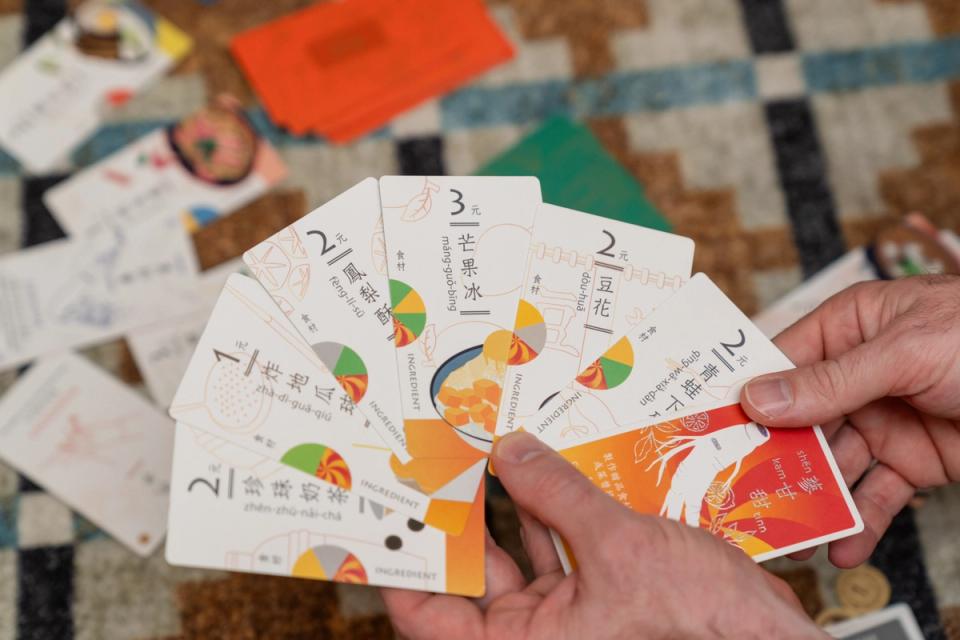
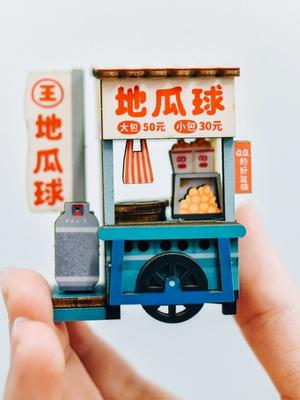
“After Yes! Ginseng came out, people kept asking why it did not include classic Taiwanese sweets such as bubble tea and sweet potato balls. We treated the next game as a sequel, added dessert cards, and eventually created What a Sweet Life,” Wei-Yu says. The game is filled with hand-shaken drinks, traditional pastries, and nostalgic treats sold from pushcarts—enough to make players hungrier with every round. Its Minesweeper-like memory system requires them to remember the locations and contents of cards, collect sets of desserts, and counter other players’ freezing attacks. Alban calls it his personal favorite among the games he has designed: tense, strategic, and deliciously brain-burning.
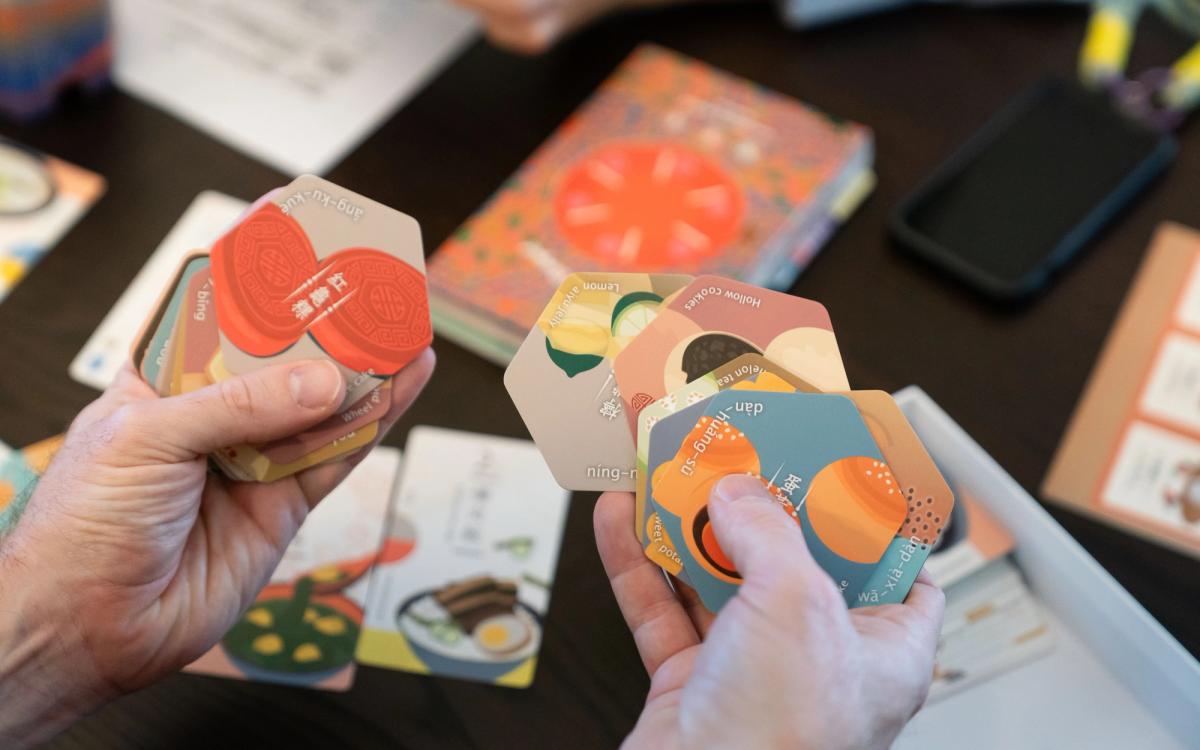
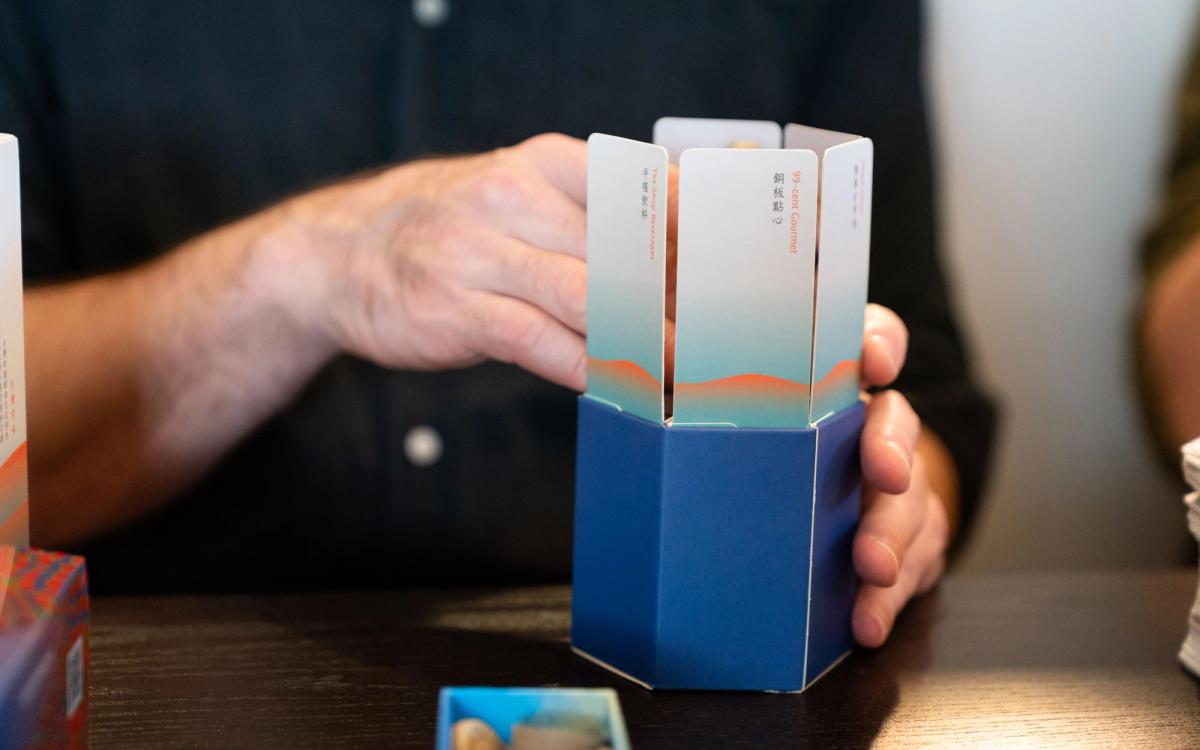
Although What a Sweet Life is the sequel to Yes! Ginseng, its gameplay is completely different—irresistible to anyone who loves pineapple cakes, hand-shaken drinks, and a lively mental challenge.
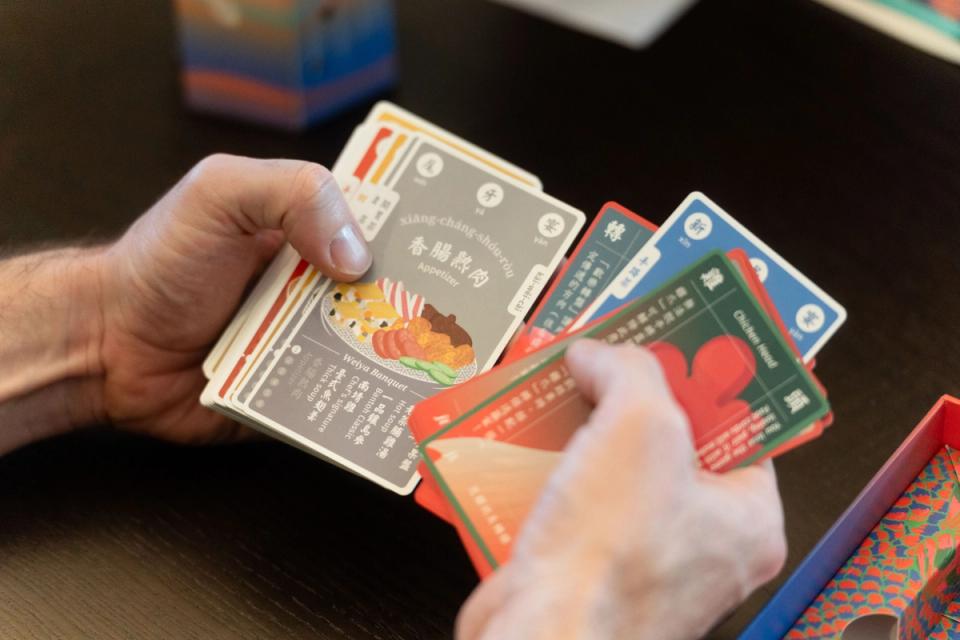
1 / 2Wei-Yu’s own favorite is The Grand Banquet, released in 2020. During childhood visits to Tainan, she often saw people hold “bando”—traditional Taiwanese roadside banquets—outside temples and along neighborhood lanes for weddings, funerals, and celebrations. Such scenes have become increasingly rare as times have changed. With the help of a friend, she entered the working kitchen of a head chef of “bando” and the assistants who support the operation.“The banquet dishes I once overlooked have survived only because master cooks passed them down by hand. If one day those cooks are gone and no apprentices carry on their knowledge, the dishes may disappear with them,” she says regretfully.
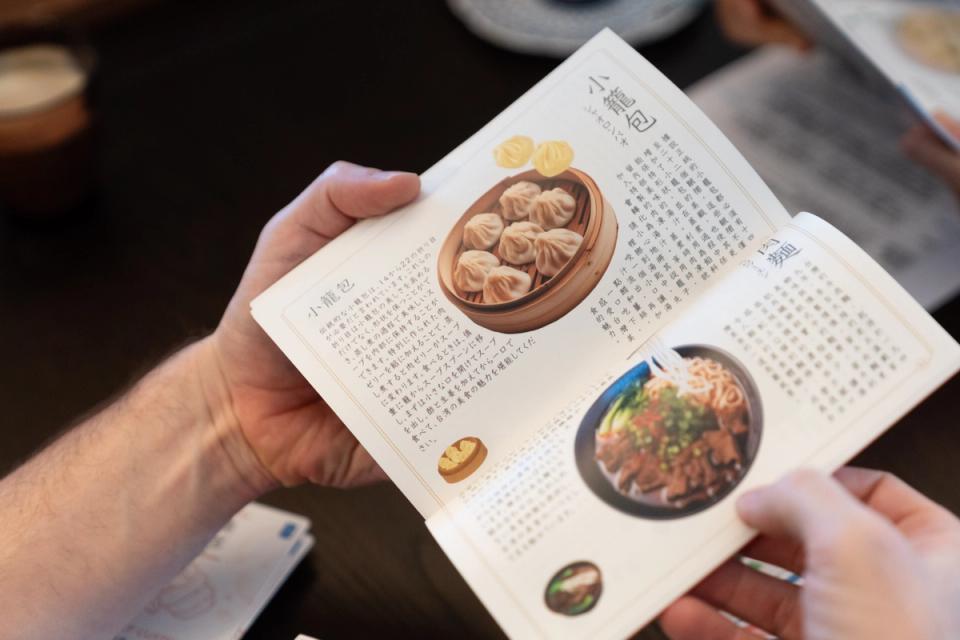
To ensure that every game could transmit culture, Wei-Yu compiles an encyclopedic companion booklet for each theme—a kind of further reading. This time she threw herself into researching and documenting every facet of bando culture, ultimately producing something closer to an art book devoted to Taiwan’s traditional feasts. Contemporary visual language reinterprets local traditions, while the text gathers little-known facts about banquet cuisine. Why was the roadside feast once nicknamed the “Black Pine Grand Hotel”? What did it mean when a chicken’s head pointed toward someone at a year-end wei-ya dinner? The booklet also records the techniques behind veteran cooks’ signature shoulu dishes. “The booklet for The Grand Banquet is more important than the game itself,” she says with a laugh.
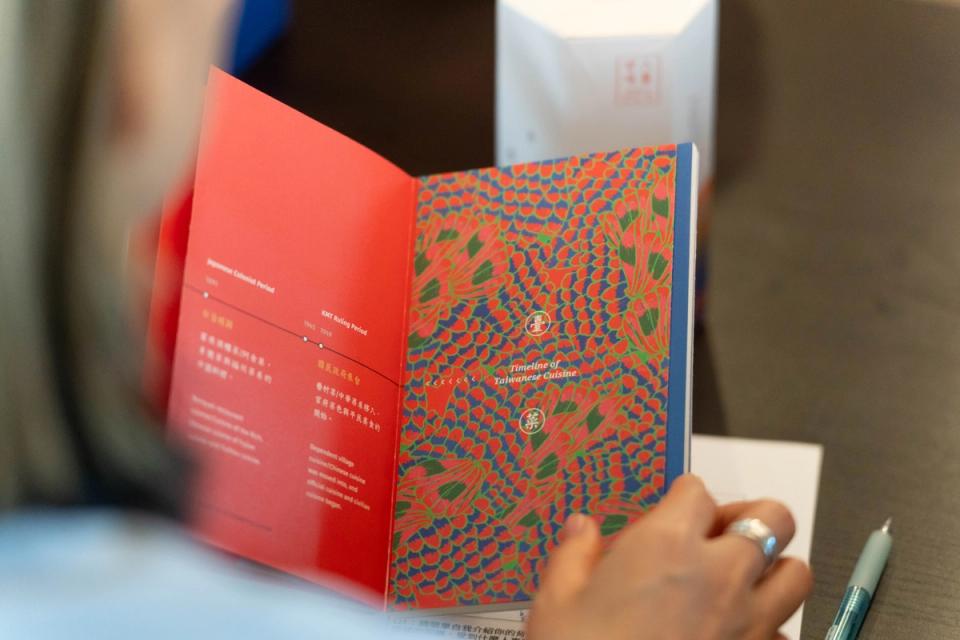
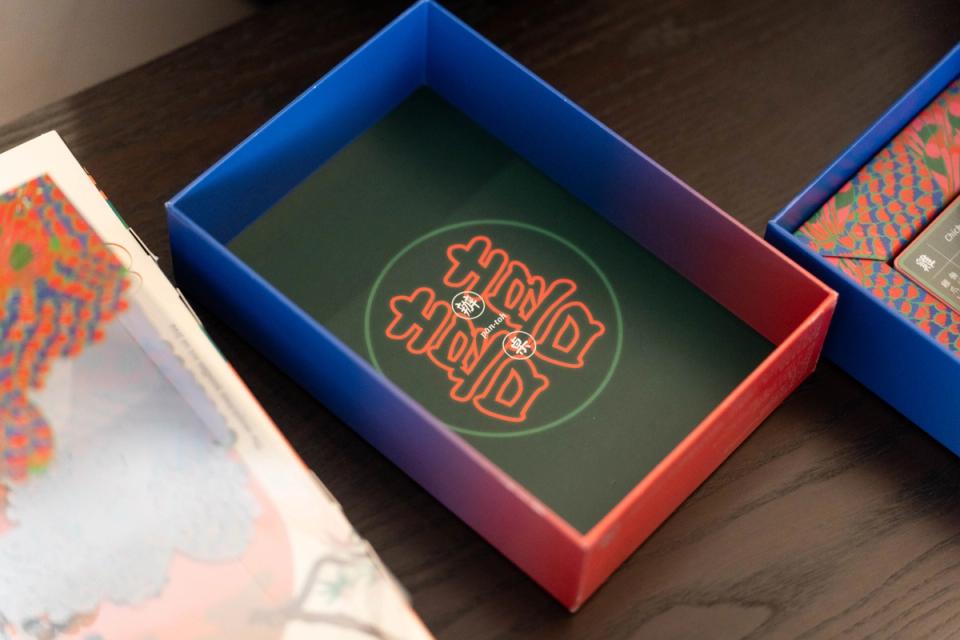
During development, Wei-Yu fell in love all over again with this unmistakably Taiwanese bando culture. She also experienced how a board game could help different generations revisit banquet memories together. “When I played The Grand Banquet with my parents and their friends, they knew these dishes better than I did and kept adding alternative ways to prepare them.” Beside her, Alban picks up a card and pronounces its Taiwanese title with careful precision: “Ke-á ti-tōo pih”—chicken, pork tripe, and softshell turtle. Then he adds mischievously, “I can’t bring myself to eat turtle.”
Tell Us—What Else Can a Board Game Do?
Every game Alban and Wei-Yu have designed together is closely tied to Taiwanese food. In 2024, they challenged expectations once more with a board game whose rewards could literally be eaten: Lucky Noodle House.
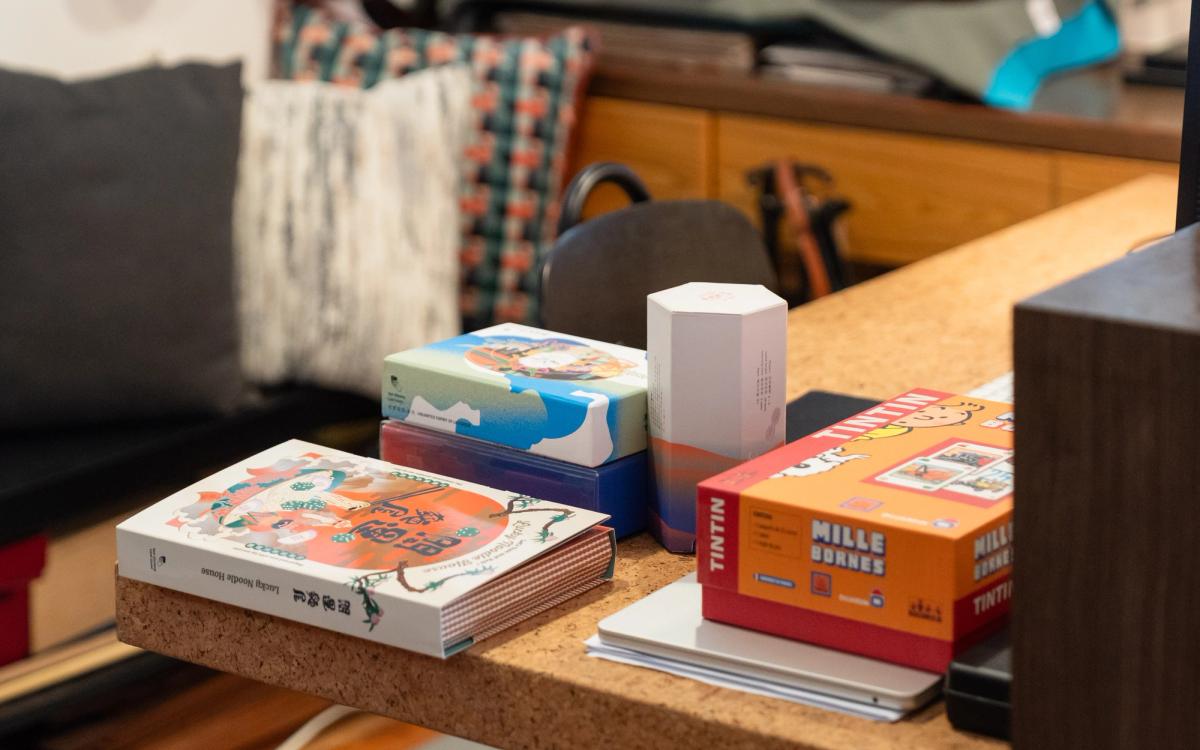
The game invites players into a hidden, enchanted noodle shop. They roll the dice with determination, relying on luck and wit as they advance through the challenges on the board. Collect all six auspicious noodles and you may win a real packet of “lucky noodles.” The accompanying guide even includes noodle recipes, showing players how to prepare a simple, delicious bowl, and eat up every bit of good fortune gathered along the way.
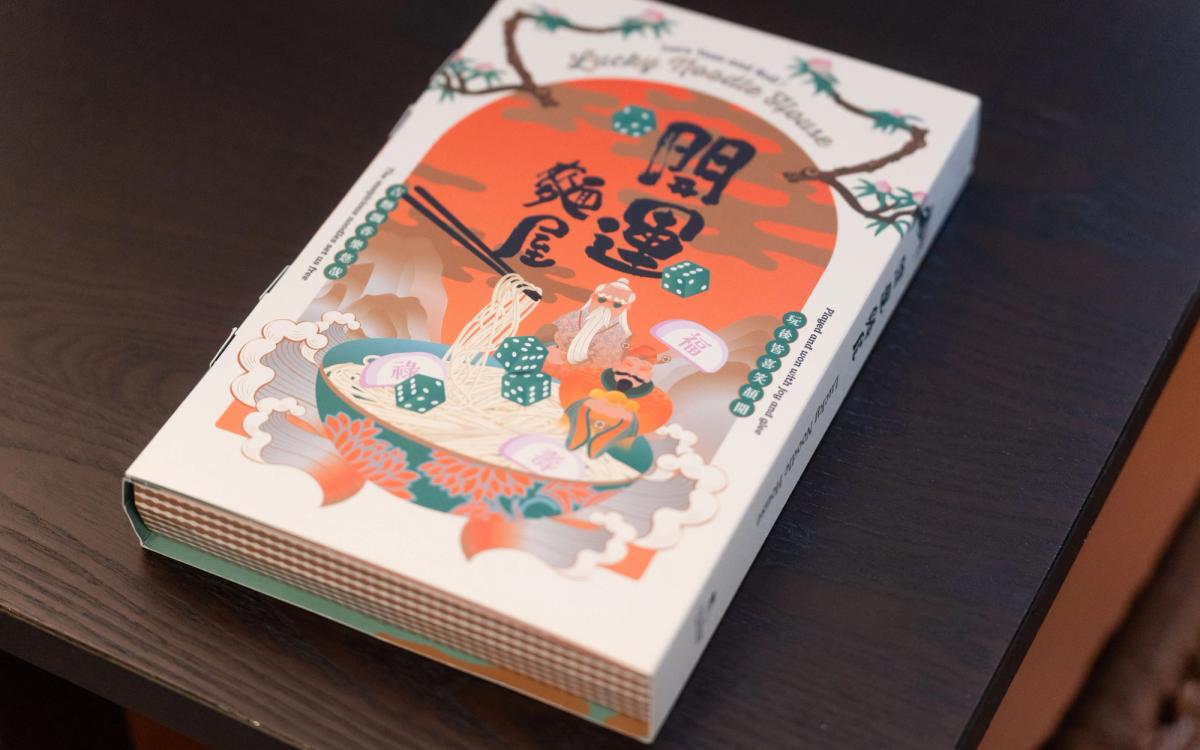
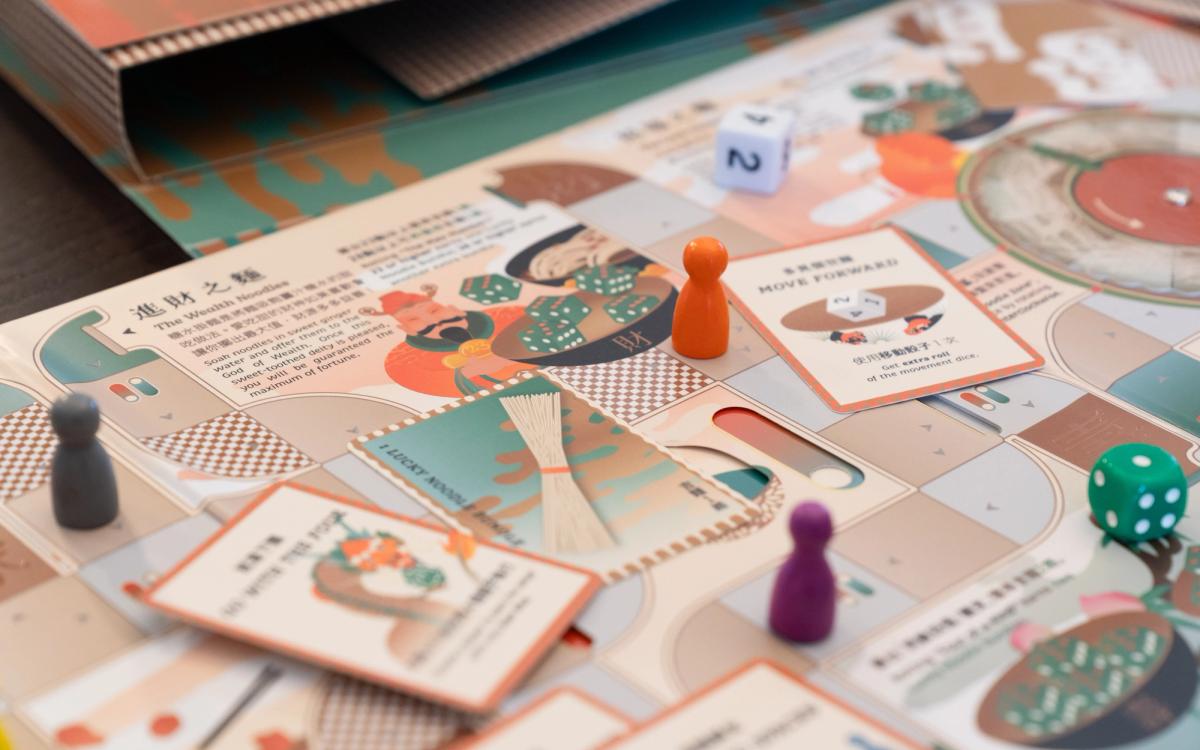
What distinguishes Lucky Noodle House is its combination of noodle cultures from Taiwan, Korea, Japan, and beyond. “Many mothers use the booklet included with the game to share noodle knowledge and little stories with their children,” Wei-Yu says.
1 / 2“The game was actually commissioned by Wu-Mu Noodles,” Wei-Yu explains. The brand wanted to spread knowledge about noodles and bring people closer to an everyday food; a board game offered the ideal way to turn learning into entertainment. Used as a public-relations gift, it could also give customers a fresh impression of the brand. Cross-industry collaborations are difficult, the two designers acknowledge, but such projects push their imaginations in new directions and lead to games neither might otherwise have conceived. With a new child in the family, plans for further games have slowed for the moment. “When our son is a little older, he will be able to play the games we designed,” Alban says. “I am certain that will give us a completely different perspective.”
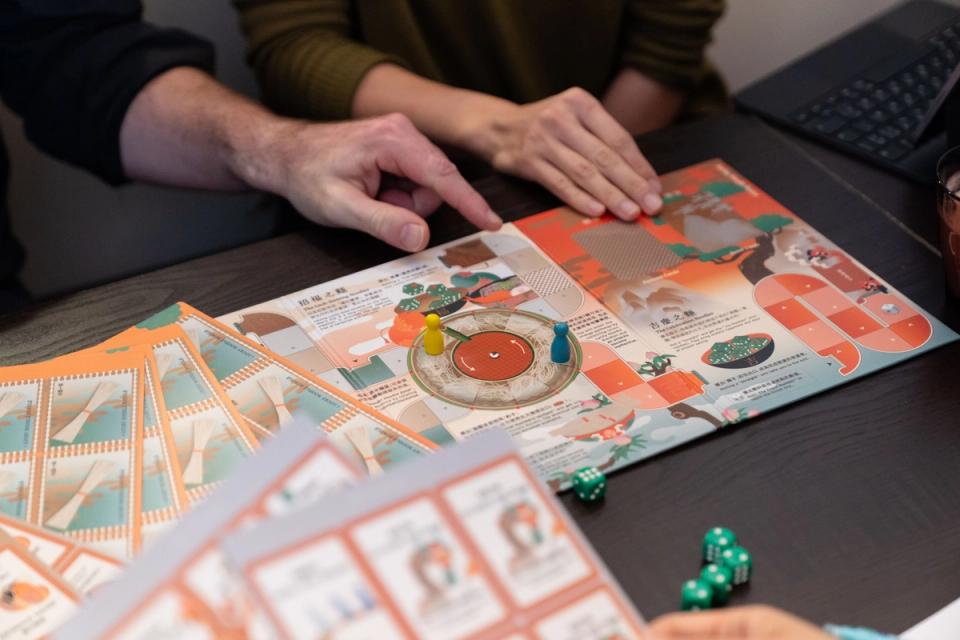
What, then, do two passionate players turned designers consider the greatest pleasure of board games? “A good game makes you want to play again and again,” Alban says excitedly. “The table comes alive very quickly. It can make you cry, laugh, and even argue.” Wei-Yu notes that many people are active on social media yet find themselves unsure how to talk face to face. Board games return us to an earlier time: an old-school form of social life. More captivating still, every new combination of people creates a different chemistry.
“Whenever I go back to France with Alban, his family plays board games together every evening, and I always feel a little nervous. But the moment I bring out Yes! Ginseng, I become an ambassador for Taiwanese culture, eagerly explaining everything and answering questions.” Wei-Yu recalls playing with board-game-loving colleagues two or three times a week when she worked in an office. Work and life eventually became too busy for such frequent gatherings, but whenever she plays now, she instantly returns to a slightly younger version of herself.
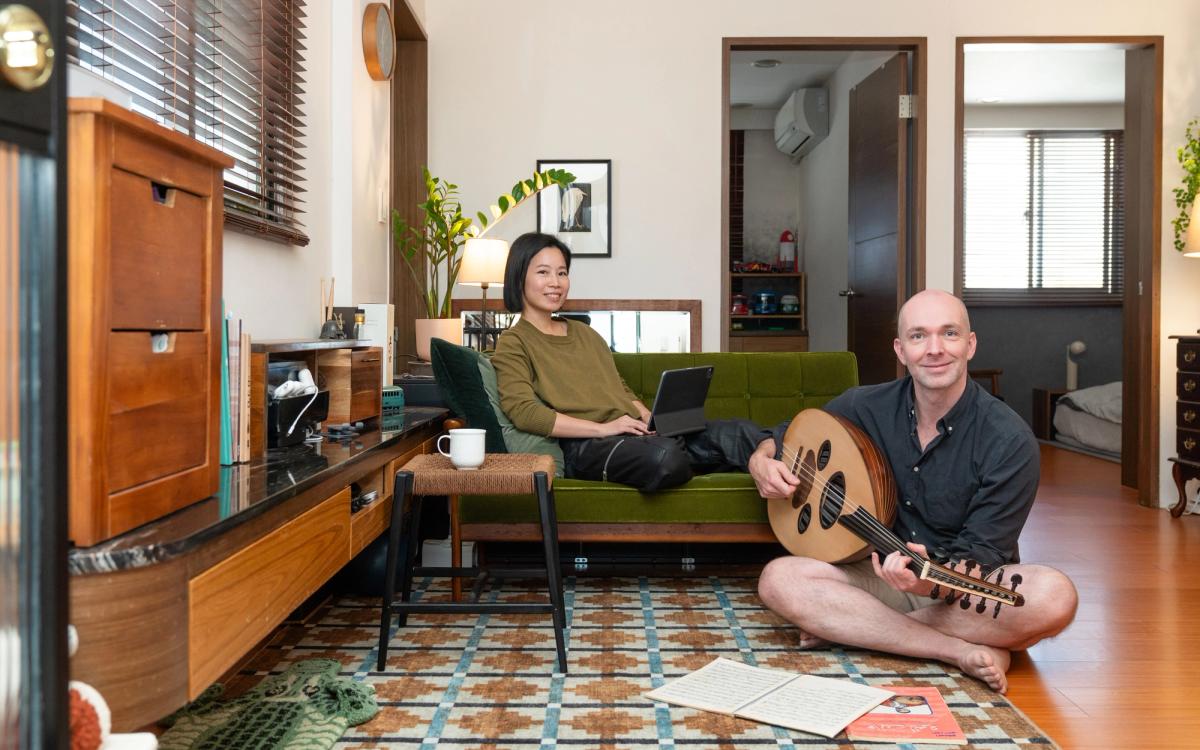
Raised in a musical environment, Alban teaches French in the Department of Applied Linguistics and Language Studies at Chung Yuan Christian University and ethnomusicology at Taipei National University of the Arts. He is also a member of Bazaar, a Middle Eastern jazz ensemble.
1 / 2Finally, we ask which games they would recommend besides their own. Alban struggles with the question. “It is like asking me to choose one favorite Taiwanese dish. Every dish has a different flavor—how could I possibly choose?” Even so, the pair reach into their game collection and select three titles that cross age groups and cultures alike, each perfect for a wild round when you have thirty minutes to spare.
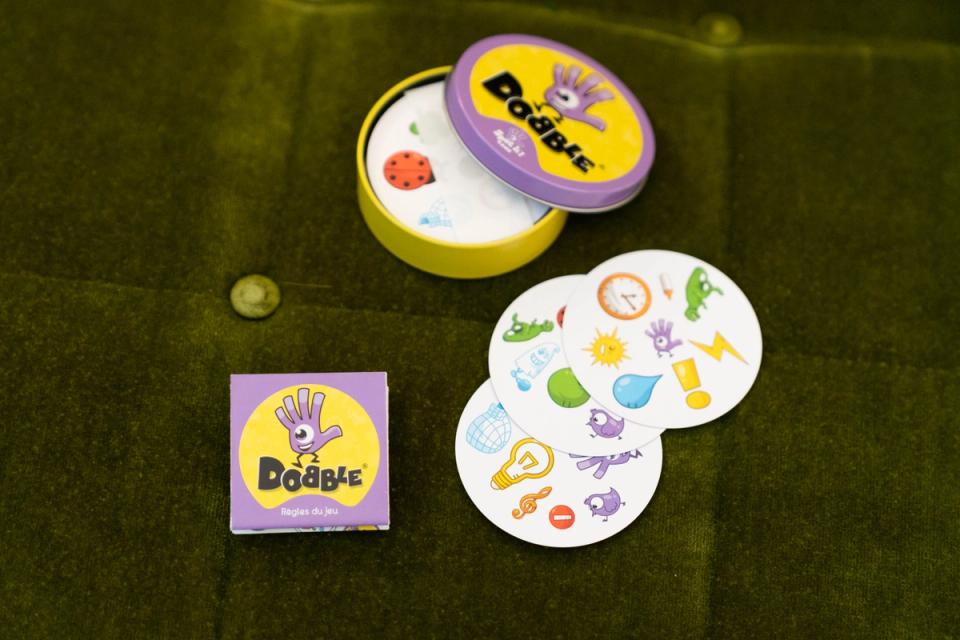
Board Game 01: So Easy a Six-Year-Old Can Master It—Dobble
The rules could hardly be simpler: Dobble tests visual acuity and trains reflexes. Grandparents and grandchildren can enjoy it together. Every card is unique, yet any two cards always share exactly one symbol. The first player to spot it and call it out scores the point.
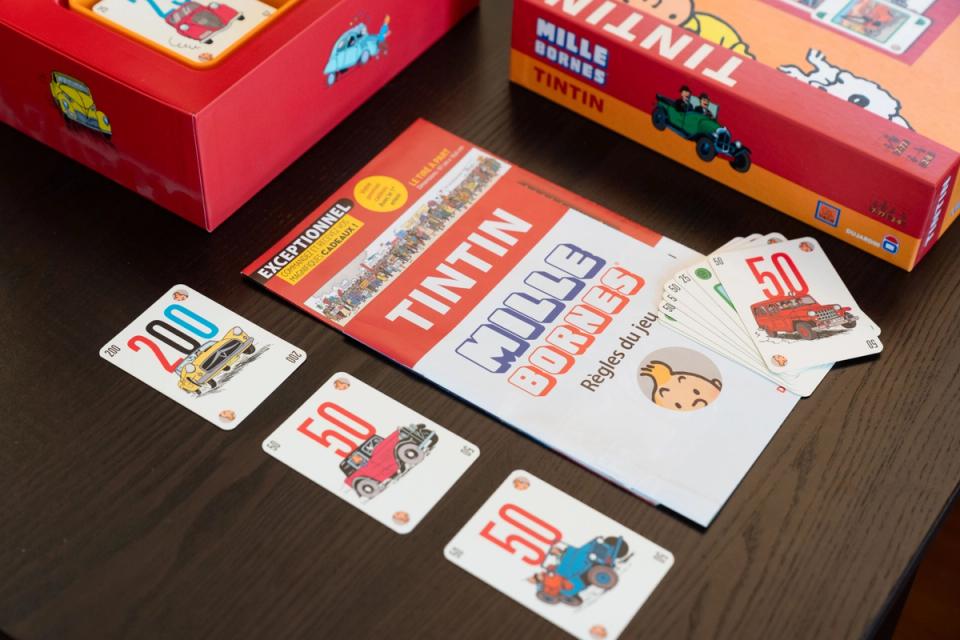
Board Game 02: A Road Race on Cards for Car Lovers—Mille Bornes
This racing card game is a household classic across Europe. Alban’s special Tintin edition was a gift from his brother. With nothing more than simple arithmetic, players race to accumulate 1,000 kilometers. Along the way, hazard cards impede their opponents, while safety cards help them escape trouble of their own.
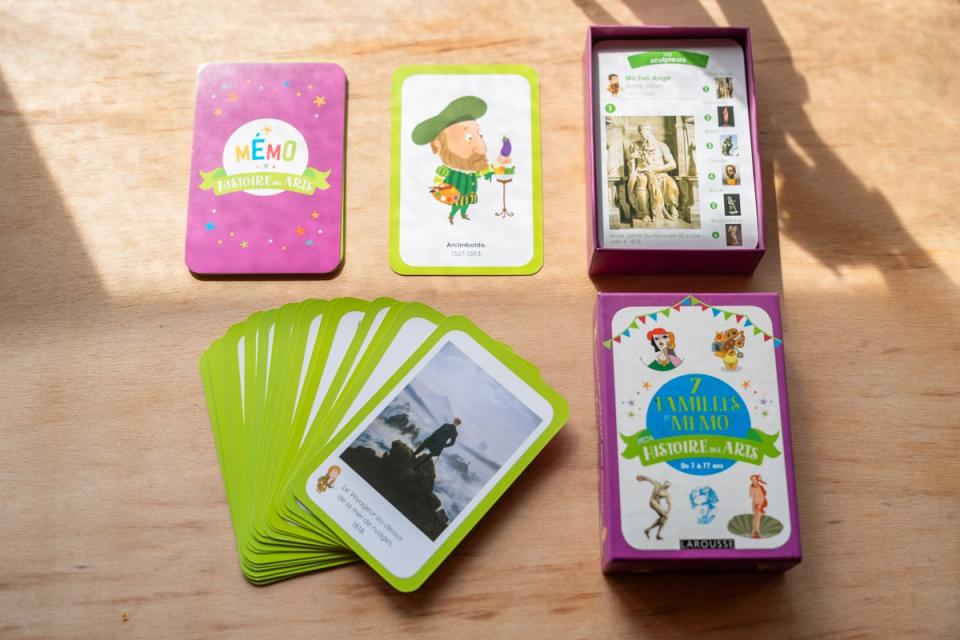
Board Game 03: Put Your Art Knowledge to the Test—7 Families
Published by the French museum-store network Boutiques de Musées, this educational game introduces players to artistic styles and to painters, composers, and sculptors from different periods. Players ask one another for the masters they need; whoever completes the greatest number of families first becomes the table’s most cultured winner.